Apple and Shell are among buyers from latest carbon credit project ruled as flawed
Verra rejected four projects that generated more than 4 million credits due to issues around the authenticity of approval documents. Read More
- Millions of credits from the projects were purchased by around 40 companies.
- Several large buyers declined to say whether the credits were used to satisfy emissions claims.
- The registry is investigating the approval documents associated with a further 45 projects.
The world’s largest carbon credit registry has rejected four projects that won business from Apple and other multinationals. The decision, which comes a little over two months after a similar decision on a different project, threatens the status of any emissions claims that might have been made using the credits.
The projects were rejected by Verra late last week due to “serious allegations regarding the authenticity of government approval documents,” the registry said.
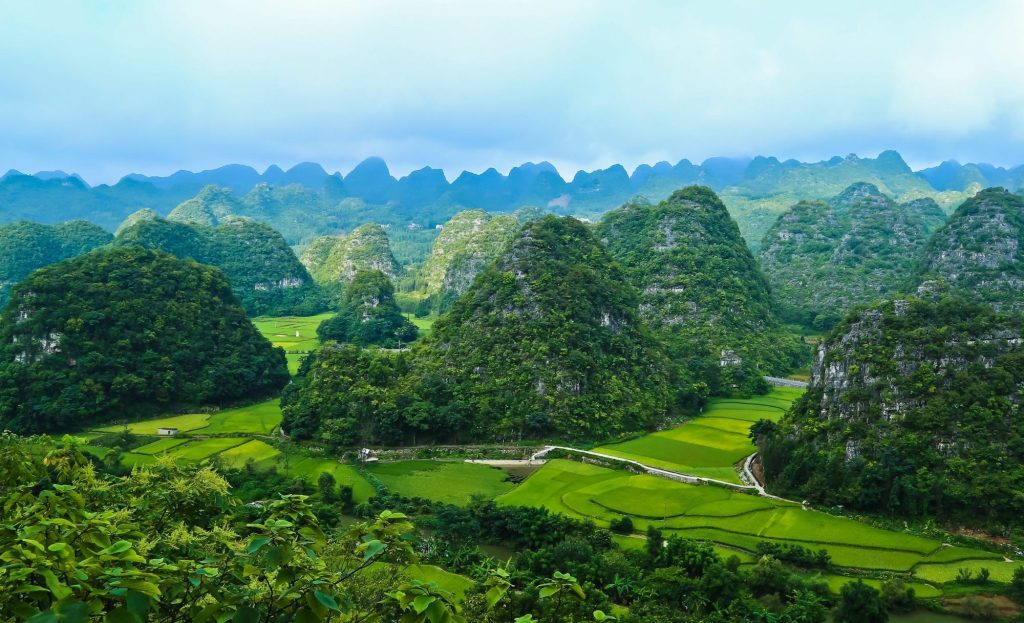
A total of 4.4 million credits were issued between 2021 and 2023 to the project developer, Guizhou Baiheng Fertiliser Company, which claimed to remove carbon by planting trees on previously unforested land in Guizhou Province, in southwest China.
Around 40 companies then purchased and retired credits from the projects, according to data from OffsetsDB, an open-source carbon credit database.
The list includes five that retired more than 100,000 credits: Takeda, a Japanese pharmaceutical company (660,000 credits); Apple (630,000); PetroChina International (510,000); Shell (340,000); and Continental (200,000), a German automotive parts maker. Another 2.5 million were retired by companies that remained anonymous.
Carbon neutral claims
Credits are often retired to satisfy claims that a product or company is carbon neutral. Neither Takeda, Apple, PetroChina nor Shell would say if the Guizhou credits were used in this way. Continental’s credits were purchased in connection with a project that was put on hold for reasons unrelated to the Verra finding, a spokesperson said.
If the credits were used in connection with emissions claims, the status of those claims is now uncertain. Under Verra rules, the project developer is required to purchase and retire 4.4 million credits as compensation. But the average price of a credit on the voluntary carbon market was a little over $6 in 2024, and it is unclear whether Verra can compel the developer to invest the millions of dollars that might be required to make good on the rejected projects. A Verra spokesperson said the registry had contacted the developer and was awaiting a response.
An Apple spokesperson told Trellis that the company had contacted Verra after learning of the rejected projects to understand the registry’s process for seeking replacement credits, which it would monitor closely.
A Shell spokesperson said: “We were disappointed to learn of the issues Verra identified with these projects and are looking at Verra to replace any credits that were issued under these projects.”
Compensation controversy
Similar uncertainty surrounds carbon-neutral claims made by Volkswagen, Nespresso and other companies that purchased credits from an unrelated forest protection project in Zimbabwe. A Verra investigation concluded in September that the nonprofit had issued 15 million excess credits to the project. The registry said it would be asking the developer, Carbon Green Investments (CGI), to cancel an equivalent number of credits, but CGI has not said if it will do so — a standoff that researchers at the nonprofit CarbonPlan described as revealing “a deep structural flaw in the largest registry of the global carbon market.”
More companies could find themselves drawn into the debate, as Verra is investigating 45 other projects that the registry said may not have obtained necessary government approvals. Among the larger buyers of credits from these projects are PwC, Boston Consulting Group, Nespresso, Audi and Volkswagen.

Subscribe to Trellis Briefing