Google, McKinsey and Meta back project to reforest degraded Appalachian lands
The deal is the second facilitated by the Symbiosis Coalition, a buyers’ group targeting 20 million tons of nature-based removal credits. Read More
- The three backers will purchase slightly more than 130,000 tons of carbon removal credits over 10 years.
- Millions of acres of degraded U.S. land could be reforested, said the coalition.
- Co-benefits include improved biodiversity and support for local economies.
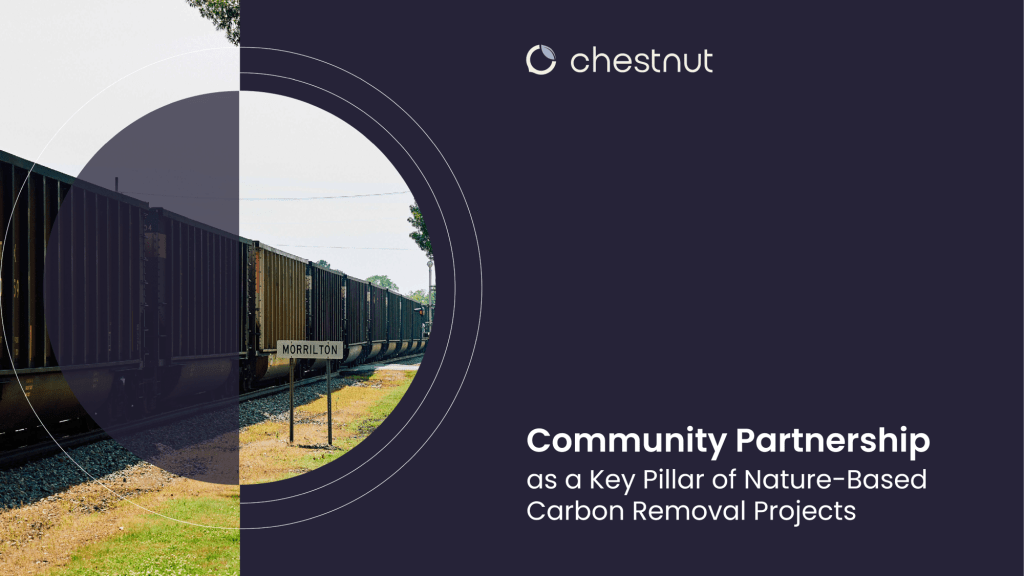
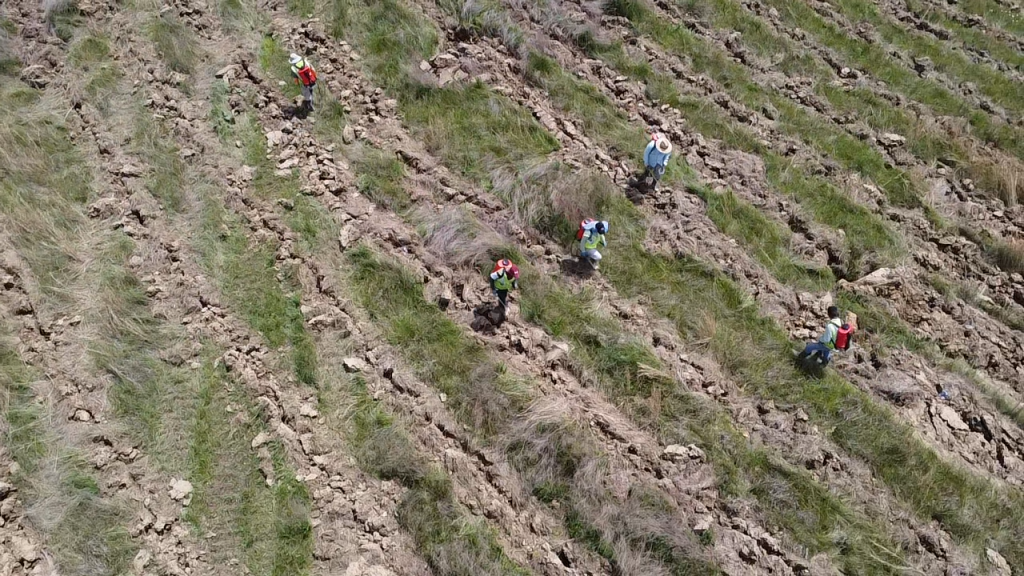
Google, McKinsey and Meta have agreed to purchase more than 130,000 tons of carbon removal credits generated by the reforestation of degraded Appalachian land.
The volume of credits is relatively small by the standards of some large carbon market players, but the investment signals confidence in a scalable approach — especially in regions like Appalachia, which has been impacted by decades of coal mining.
“There’s potential for this model to be replicated across millions of acres,” said Julia Strong, executive director of the Symbiosis Coalition, the buyers’ group that facilitated the deal. The coalition was formed in 2024 with the goal of securing commitments for 20 million tons of nature-based removal credits.
The Appalachian project follows a deal for 215,000 tons of carbon removal credits announced in November between Google, McKinsey and Mombak, a Brazilian company that reforests degraded land in the Amazon.
Biodiversity boost
In this case, project developer Living Carbon will plant native hardwood and pine species on former mine sites and degraded farmland. Landowners that contract with the developer commit to protecting the forests for 40 years, but are free to harvest after that period. The coalition did not disclose the price that the three backers paid for the credits, which will be purchased over a 10-year period.
Across the U.S. there are 1.6 million acres of abandoned mine lands, according to the coalition. A much larger area of degraded farmland — 30 million acres — is also suitable for reforestation.
Reilly O’Hara, program manager for carbon removal commercialization at Google, said in a LinkedIn post that the project was attractive due to a focus on restoring degraded landscapes; local benefits, including biodiversity improvements and economic development; and the scientific rigor used by Living Carbon to estimate the carbon removed by the project.
Project pipeline
The Symbiosis Coalition has more announcements planned, said Strong. The organization is set to issue a second request for proposals from project developers this week, which will include a call for mangrove and agroforestry projects.
“This year is about, okay, the engine is built,” she said. “Let’s get more deals through the pipeline and expand new project types.”
Strong also hopes to announce new members that will “diversify and grow the demand signal” sent by the coalition. In addition to the backers of the Appalachia project, the current members are Bain, REI, Salesforce and Microsoft.

Subscribe to Trellis Briefing