How Natural Fiber Welding will use its second chance
A last-minute investment rescued the Peoria next-gen materials maker from the brink of bankruptcy. It has a specific new focus. Read More
- A last-minute reprieve came from Provest Equity Partners and CTW Venture Partners.
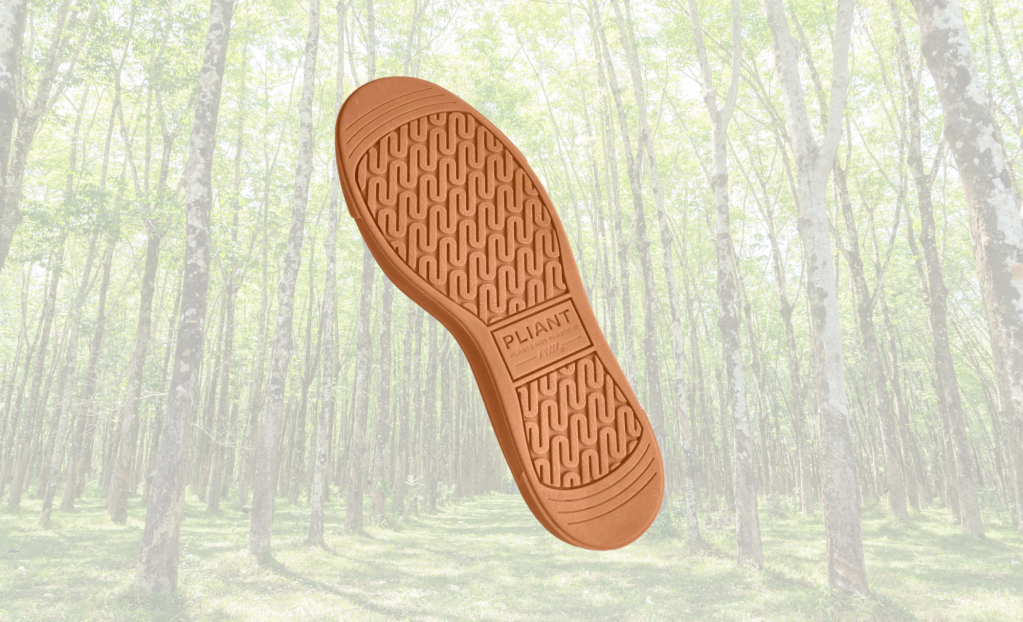
- NFW is now focusing on Pliant, a plant-based, petrochemical-free material for shoe outsoles.
- NFW’s challenges reflect the difficulty of turning alternative materials into commercially viable, cost-competitive products in fashion and footwear.
On Jan. 14, investors rescued Natural Fiber Welding from the edge of bankruptcy. The startup’s narrowed focus — from a stable of offerings to a single product that’s ready to sell — reflects both the promise and tough economics of building sustainable materials.
Natural Fiber Welding had grown since 2015 to become a darling in the congested space of next-generation materials innovators. The company raised $224 million from Peoria, Illinois, far from the venture capital in-crowd.
Brand insiders and materials science nerds praised its alternatives to fossil-fuel materials used in fashion, cars and furniture. NFW’s Mirum plant “leather” appeared in Stella McCartney bags, Allbirds sneakers and watch straps for IWC Schaffhausen.
In its first eight years, Natural Fiber Welding ballooned from 12 employees to 320, running a 175,000 square-foot plant.
“Our recipes work inside everybody’s factories, and that means we can have an impact at the biggest scale, at the scale of billions of people,” founder Luke Haverhals said in a video in September 2024 that announced NFW as an Earthshot Prize finalist. The previous March, the startup had raised $23.7 million, a hopeful sign after two layoffs in 2023.
Last-hour rescue
By the end of 2024, however, the company let go of another 91 workers.
After a decade of building new materials and brand partnerships, NFW hit a wall.
“We had put a lot of eggs in a basket for BMW and for a consumer electronics company, and those did not come to fruition in a timely way,” NFW Chief Scientist Aaron Amstutz said of attempts to deliver Mirum at scale. In 2022, NFW’s biggest chunk of funding, $85 million, involved BMW iVentures and Ralph Lauren.
Amstutz continued. “You’re a startup, you have burn, you have lots of employees, and so you look at the books and you say, ‘Okay, it’s not working. We can’t raise money against continuing to push the timeline out.'”
In early September 2025, CEO Steve Zika announced a plan for an “orderly wind down of operations.”
“NFW’s story reflects a broader pattern we see across sustainable materials,” noted Katrin Ley, managing director at Fashion for Good of Amsterdam, “leading technology with genuine potential, but navigating the gap between proof-of-concept and commercial scale, and facing cost-premiums along the way.”
“We all kind of expected it,” said Amstutz. “We were literally three hours away — we were planning on filing bankruptcy on Friday afternoon.”
But Zika asked the team to wait for the weekend. “‘I think there’s a few people sniffing around that might be interested,’” Amstutz recounted Zika saying.
That Saturday, investors called.
Months later, on Jan. 14 Provest Equity Partners with CTW Venture Partners announced an undisclosed investment NFW.
Suhas Uppalapati, managing partner of Provest Equity Partners, praised the startup’s “breakthrough science paired with real industrial relevance.” He became NFW’s new chairman, a role formerly held by Zika.
Meanwhile, escaping bankruptcy allowed NFW to keep its equipment and intellectual property. “That continuity is helpful,” Amstutz said. “We’ve got these other materials, other technologies, but we’re figuring out how we can do it lean, mean and profitable along the way. We need to bring a whole bunch of people back.”
Biobased soles
New focus
Moving forward, Natural Fiber Welding is focusing on its most profitable offering, Pliant. The outsole material grew out of a request in 2020 from Eric Liedtke, CEO and co-founder of Unless Collective, to help make an all-natural lifestyle shoe.
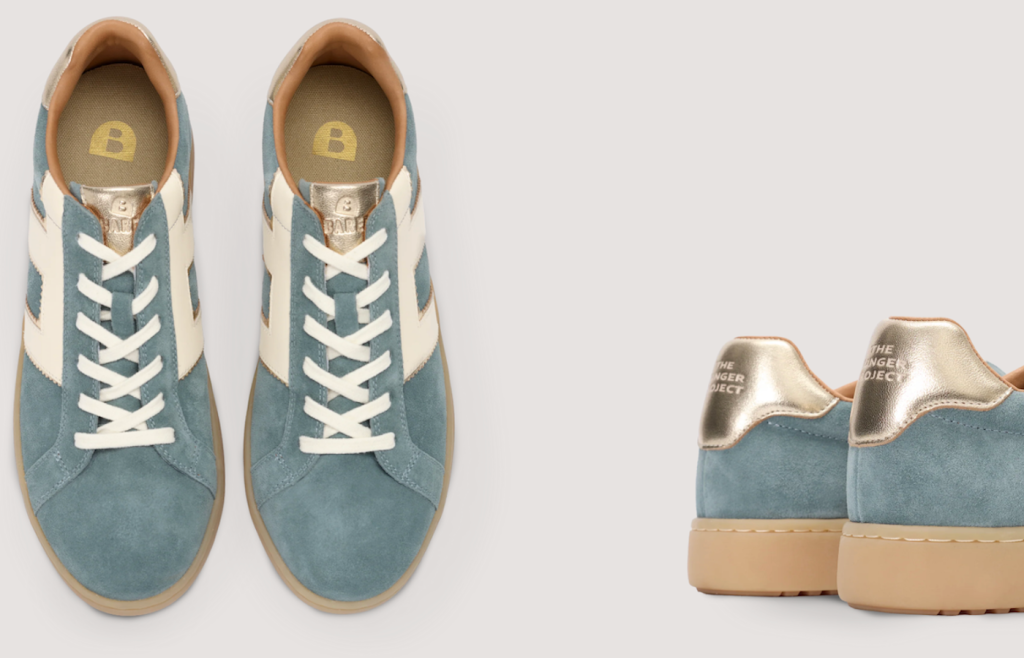
Losing Pliant would have been a “huge step backwards” for Bared Footwear, according to its Founder and CEO Anna Baird. Pliant “aligns perfectly with our mission to create shoes that will one day break down without leaving behind microplastics,” she said, praising its performance and durability.
Pliant is made with the same “natural fiber welding” process behind the company’s first creation, Clarus, a natural-fiber alternative to polyester or nylon. The technology fuses natural fibers or polymers — tree rubber, in the case of Pliant — using heat and pressure, without fossil-fuel-based binders or glues.
“We have figured out how to vulcanize rubber without using those nasty petrochemical accelerators,” Amstutz said. “My shelves are full of health supplements and vitamins and plant extracts, and we’ve limited ourselves to those ingredients.”
From lifestyle to performance shoes?
Overseas partners in Vietnam will mold the Pliant compound later this year to be used for outsoles in shoes that will sell in 2027.
Amstutz is also developing a compound for the performance-shoe market..
“Right before this, I was molding in our lab,” he said in a video call.
With hundreds of millions of shoes made and discarded every year, soles are a focus of brands and retailers who are trying to reduce their materials emissions. The nonprofit Fashion for Good is leading the Next Stride collaboration with Adidas, Target and Zalando to understand the impacts of sole biomaterials and close pricing gaps with conventional options.
The $26 billion market for shoe sole materials in 2024 could reach $40 billion by 2032, according to Data Bridge research. Global Growth Insights projects 11 percent annual growth in “sustainable” footwear sales from 2024 to 2033.