Polyester recycler Reju picks Eastman Kodak site for first American plant
The new facility will anchor the European company's North American circular textile ambitions. Read More
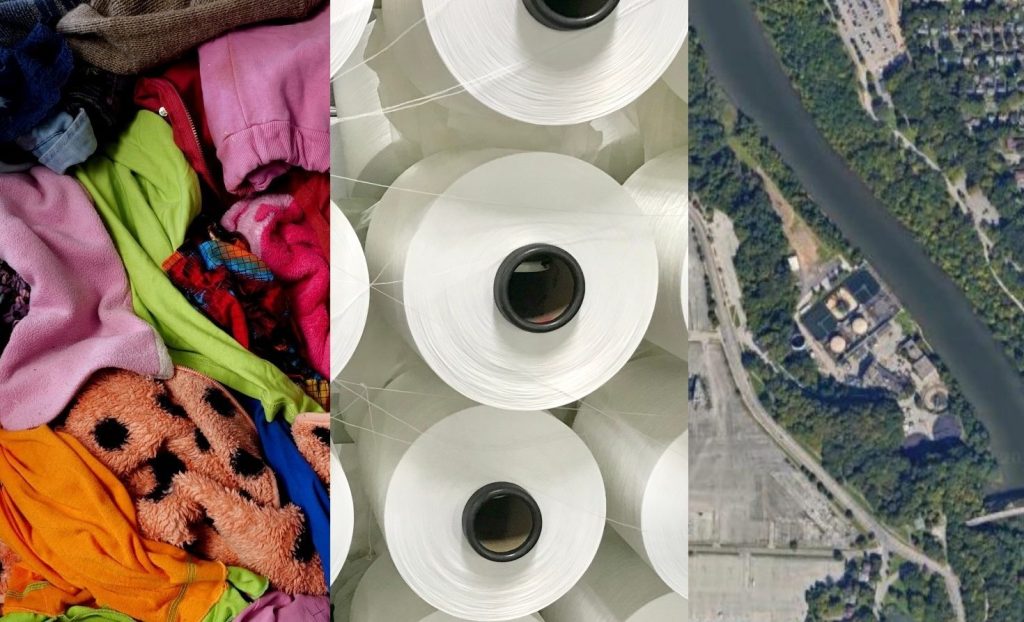
The former locus for Kodak film production is Reju’s choice for its first U.S. textile recycling plant. The startup has selected Rochester, New York, as the first site for a $390 million facility that would advance a North American circular economy for polyester.
Reju has set a 2029 deadline to open a 450,000-square-foot facility that would handle 300 million pieces of clothing a year. It would occupy 18.9 brownfield acres on the 1,200-acre Eastman Business Park, originally opened by photography pioneer George Eastman in 1890. The park is home to more than 100 companies, including Reju partner Eastman Kodak as well as materials science, advanced manufacturing and chemicals businesses.
Reju, with offices in Paris, belongs to oil and gas company Technip Energies, whose technology for polymerization sits in about 1,000 polyester factories around the world. IBM originally developed Reju’s processes, which break down polyester fibers and build them back up into new polyester. The tech can manage polyester-cotton blends, too.
Polymer ‘masters’
“We’re, let’s say, the masters of the universe when it comes to how to polymerize,” said CEO Patrik Frisk, a former CEO of Under Armour.
Rochester follows Reju’s two other plants, including one planned at Chemelot Industrial Park in the Netherlands. The other, in Frankfurt, began shipping material to customers last year, according to Frisk.
“It’s ticking all of the boxes that we’re looking for,” Frisk said of the upstate New York site. These included proximity to a chemical park — for infrastructure access — and potential suppliers of waste, as well as supportive state and regional government, he added.
“Reju’s ambitious project will create approximately 70 new jobs at Eastman Business Park, and will show how smart investments can turn waste into opportunity, further supporting our state’s overall green economy efforts and creating a brighter future for everyone,” stated New York Governor Kathy Hochul.
Reju is continuing partnerships with Goodwill, Waste Management and other organizations that began in 2024. Waste Management has sent the company material from its curbside collection pilot programs. One such effort, in Troutdale, Oregon, ends this spring after a year of collecting clothes, linens and towels from households.
Regional circular economies
Reju has numerous rivals in its vision for a domestic circular economy for textiles. H&M-backed Syre of Sweden is developing one of several would-be “gigascale” plants by 2032. The opening date for one, in North Carolina, has been moved to 2026 from 2025.
As polyester recycled from bottles is falling out of favor among circular-economy advocates, more brands are looking to Reju and others, including Circ and Ambercycle, to provide lower-carbon polyester that derives from fashion waste instead of virgin oil. Reju says it has extensive downstream engagements with brands.
A backlash against polyester is building among consumer advocacy groups wary of the long-term effects of microfiber pollution. “We should try to use less polyester,” Frisk said. “But knowing this industry the way I know it, that is most likely not going to happen.” However, not all polyester is created equal, according to Frisk, and engineering “great polyester” can result in fibers that shed less.
In October, Reju brought together 12 fiber production, weaving and recycling companies to engage around emerging regulations, including the EU’s new extended producer responsibility rules for textiles. Their group, Circular Textile Coalition, was Reju’s response to a European Commission request to hear from more companies in textile circularity.
“This whole interest around circularity nearshoring and reshoring is real,” Frisk said. “It’s now becoming something that you should consider, for any size of brand.”