Fashion
How fashion professionals are re-educating for a circular economy
Eighty percent of a product’s environmental impact is decided on the design table but most apparel professionals weren't trained to design with the end-user or end-of-life of the garment in mind. Read More

How digital identities could bring us closer to a circular economy
Tracking technologies could provide information throughout a product's journey, from the start all the way through to its use at the consumer level, and ultimately to its disposal or reuse in the future. Read More

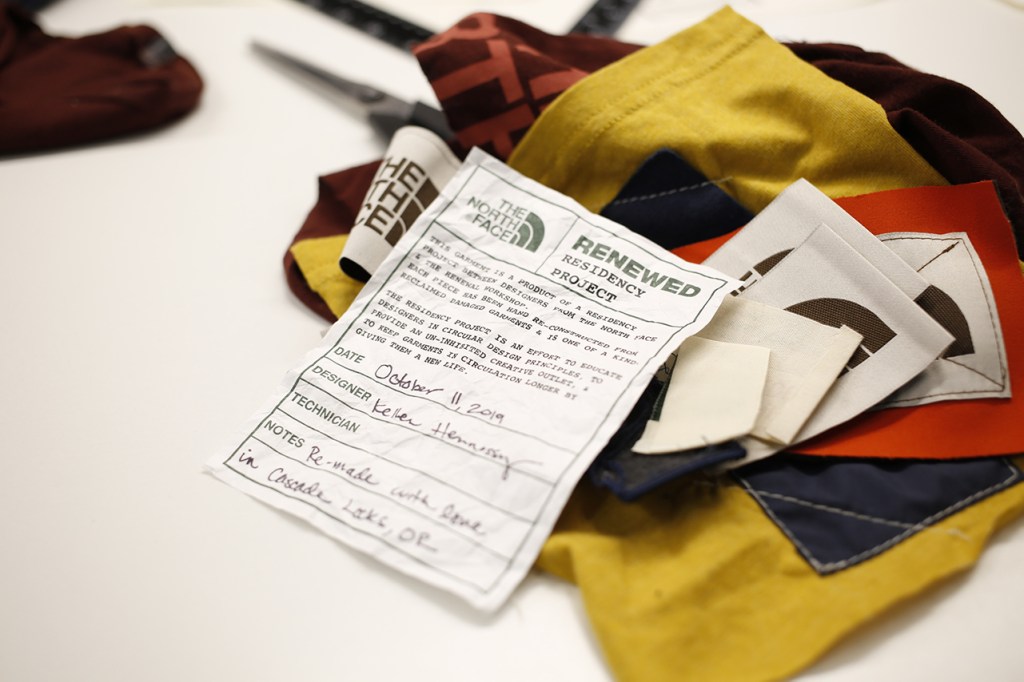
The North Face aims to increase its circularity
The outdoor recreation product company is expanding its Renewed recommerce program. Read More
Adidas is latest fashion company hoping to weave recycled plastic into garments
The growing demand for recycled polyester, coupled with a limited supply, signals scarcity and competition ahead. Read More

5 actions companies can take to fix the ubiquitous polybag
If you’ve ever ordered garments online from a retailer, you would have, in all likelihood, had it delivered, neatly sealed within a polybag. Read More

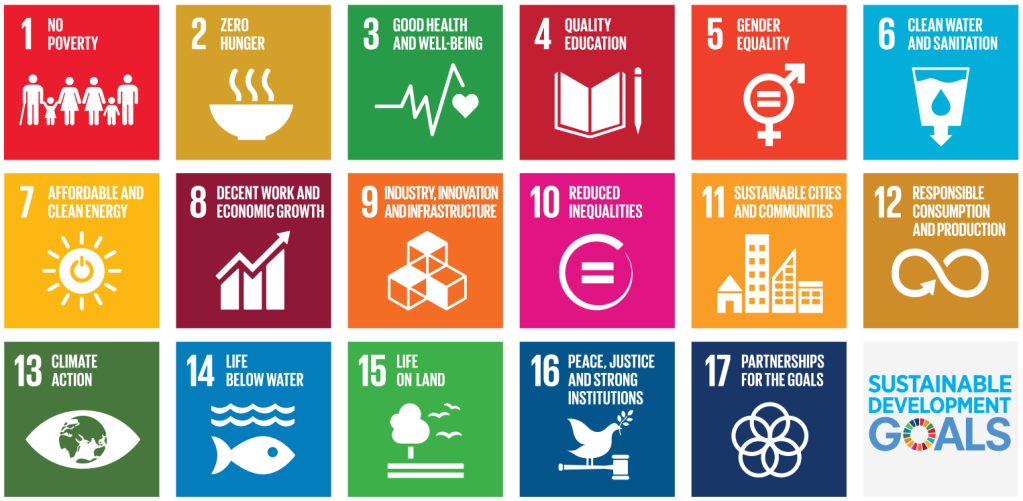
How companies can align their materials strategy to the SDGs
The textile industry has a powerful opportunity to shift the needle in both producer and consumer contexts. Read More
Will technology be the game-changer for rising transparency in the fashion supply chain?
Sponsored: Discussions on the benefit of blockchain in fashion supply chains have risen in recent years. Is blockchain technology the solution to opaqueness in the fashion industry? Read More

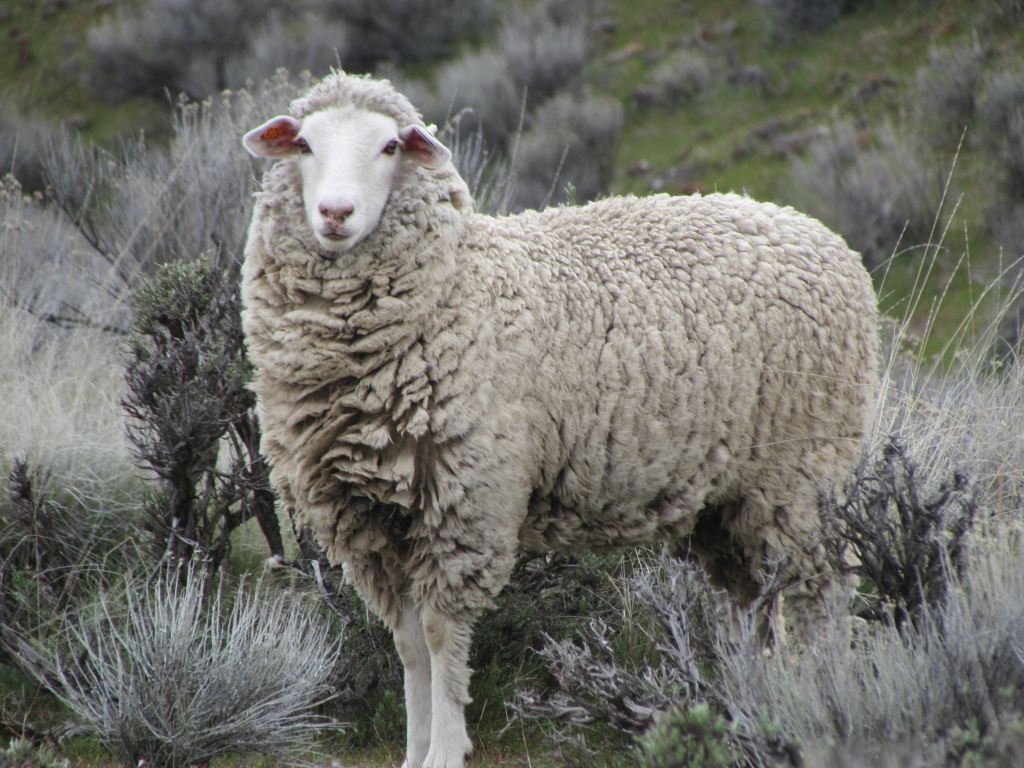
How companies can source wool more sustainably
If sheep overgraze, they may degrade soil and cause erosion, which can be exacerbated by an increasingly warming climate. How the animals are raised and sheared are also key animal welfare risk areas. Read More
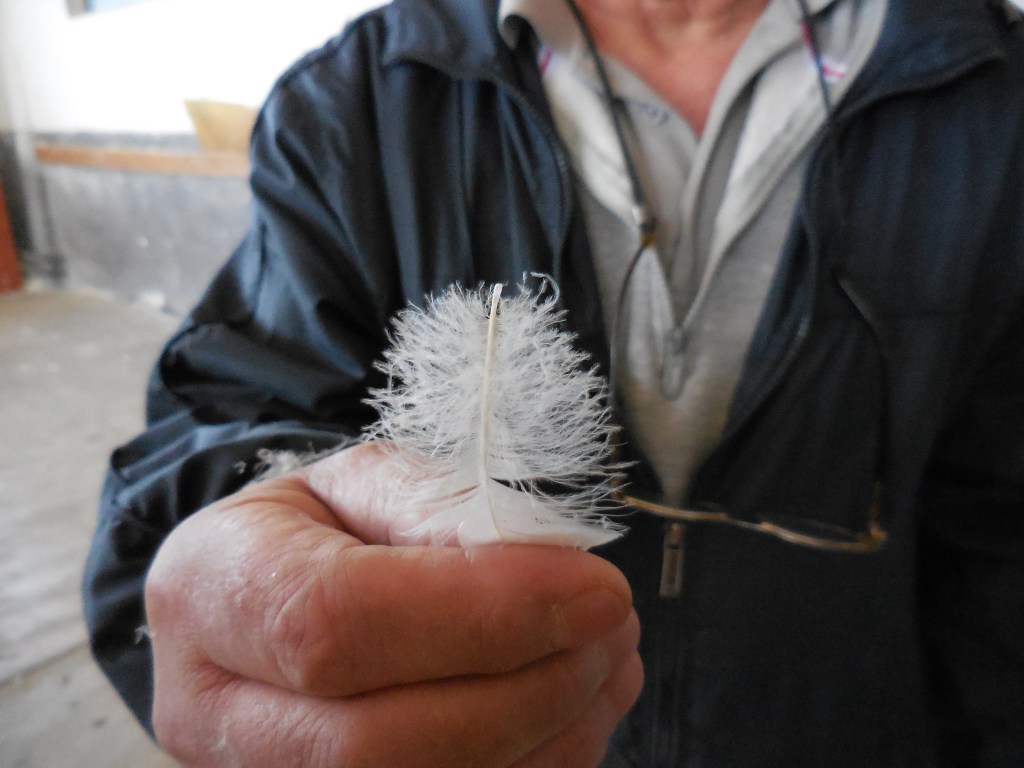
How companies can source down more sustainably
The key sustainability concerns related to down are around animal welfare. Read More
How companies can source man-made cellulosics more sustainably
As a plant-based fiber, man-made cellulosics have the potential to be a more sustainable choice because they are renewable. But the production process can contribute to deforestation. Read More