The math behind Microsoft’s plan to pause carbon removal purchases
Has the tech giant amassed enough credits to hit its 2030 carbon-neutral goal? The answer depends on data center emissions. Read More
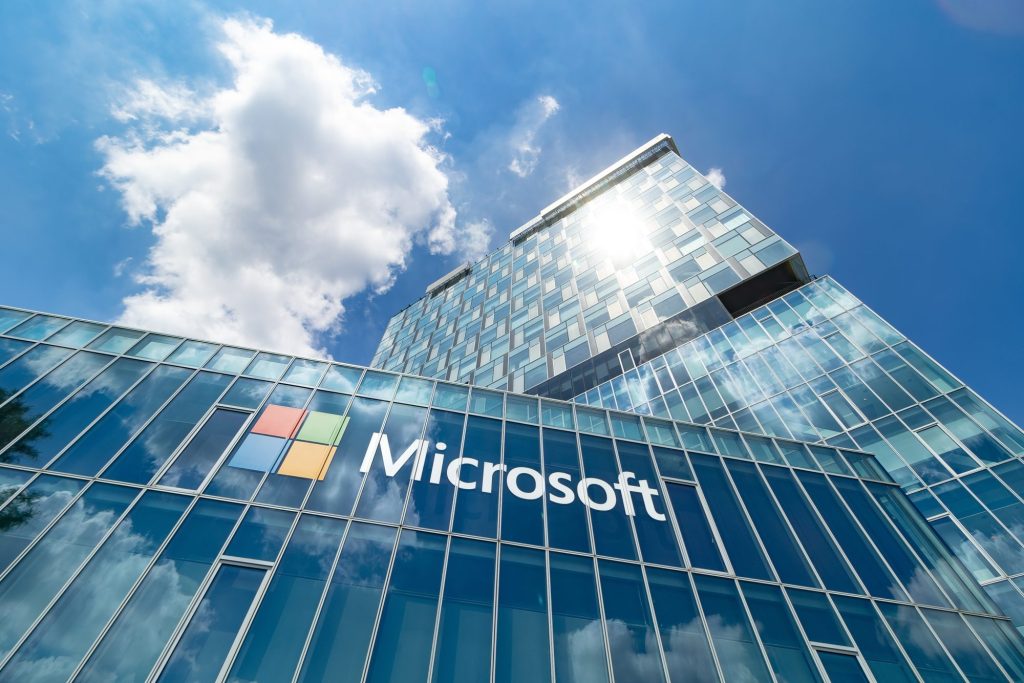
- Microsoft says that it continues to “review and assess” its removals portfolio.
- The tech giant has contracted for more than 70 million removal credits, far more than any other company.
- The credits will allow the company to remain carbon neutral for several years after 2030, provided it can limit emissions increases from data centers.
Microsoft has done far more than any other company to create the market for carbon removals. So why has the tech giant reportedly paused its purchases?
According to an article in Heatmap, Microsoft “has begun telling suppliers and partners that it is pausing future purchases of carbon removal.” The company has responded only by saying that it continues to “review and assess” its removals portfolio. But one possibility is that Microsoft has amassed enough credits to hit and maintain its goal of becoming carbon neutral by 2030, at least for a few years past that target date.
The math roughly pencils out but depends heavily on how data center emissions impact Microsoft’s carbon accounts over the next few years.
Microsoft does not reveal the total number of removal credits it has purchased, but in January of this year it said that in 2025 it contracted for 45 million tons of credits, an amount that was twice its 2024 purchases and nine times the figure for 2023. That puts the total for the past three years at 72.5 million tons. The company also contracted for around 3 million tons in 2021 and 2022.
Stockpiling credits
Those credits are largely being amassed for future use. “Nearly 100 percent of the carbon removal purchases announced in our current fiscal year will be delivered between 2030 and 2050 via long-term offtake agreements,” Brian Marrs, the company’s senior director of energy and carbon removal, told Trellis in 2025.
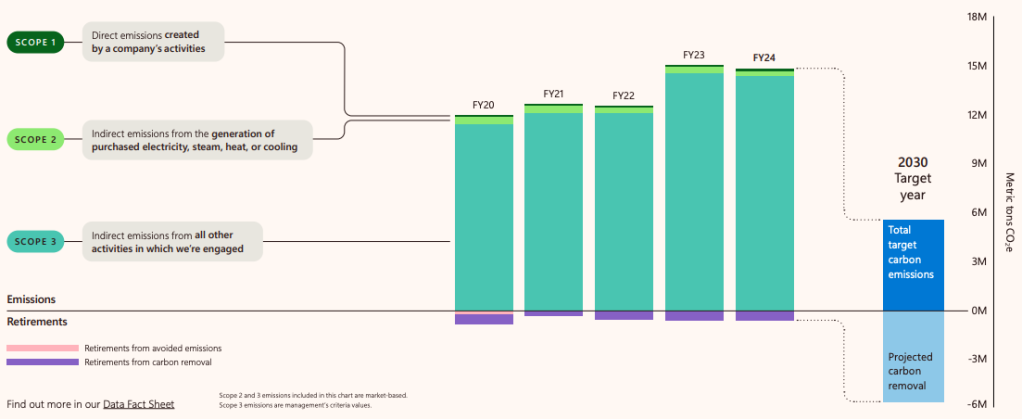
Microsoft retired just 600,000 credits annually in 2023 and 2024, according to disclosures it made to comply with AB1305, a California law that requires companies to publish details of the credits they purchase on the voluntary carbon market.
Microsoft’s most recent sustainability report, published in May of last year, showed that the company expects to retire close to 6 million credits in 2030 to hit its carbon neutral goal. If it continues to retire credits at recent rates, the tech giant would have a stockpile of around 70 million contracted credits on hand in 2030. That’s enough to remain carbon neutral for a decade, based on the forecasts in the report. (One caveat: It’s not known how many of those credits would actually be delivered during that decade.)
Microsoft’s emissions trajectory
The data center question
The big question is whether those forecasts will prove accurate. Microsoft achieved only a modest 1.8 percent decrease in emissions between 2023 and 2024. Under the scenario in its most recent report, that total needs to more than halve by 2030.
Microsoft’s data center capacity will surge over the same period. A report released this month from advocacy organization Stand.earth estimated that three data center projects recently announced by Microsoft, all of which will be powered by natural gas, will cause the company’s emissions to more than double. Those numbers have not been independently verified. But it’s clear that the higher the 2030 total, the greater the volume of removals Microsoft will need annually to compensate for it — and the faster it will burn through its stockpile.

Subscribe to Trellis Briefing