The nonprofit exec who makes corporate philanthropy credible
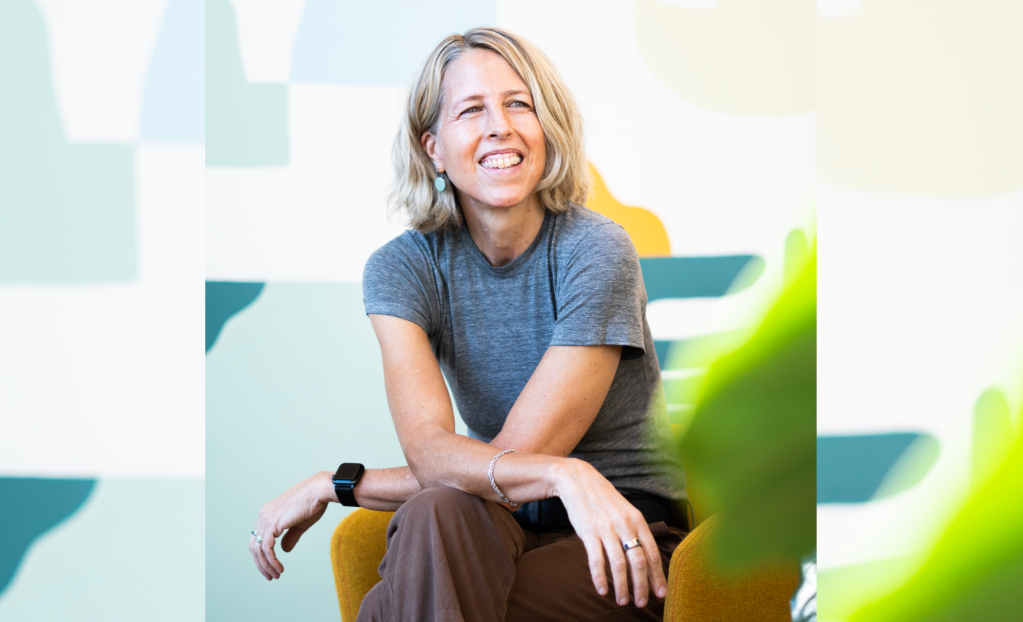
Kate Williams is the longtime CEO of 1% for the Planet, which verifies donations for 5,000 businesses, including Patagonia, Tumi and New Belgium Brewing. Read More
- The nonprofit is poised to certify $1 billion in philanthropy in 2027.
- Most 1% for the Planet members are small, private companies.
- Williams was a partner in a Vermont yak farm early in her career.
When Kate Williams graduated from business school in the mid-1990s, she didn’t seek a job with a traditional company. Instead, she dedicated her early career to leading a trail preservation nonprofit and as a partner in a yak farm in Vermont.
“I knew that I wanted to have a purpose-led career, and it did not occur to me that I could do anything other than be in a nonprofit,” Williams told me in the latest episode of our Climate Pioneers interview series. “Fast forward to now, I have a strong belief in the power of the nonprofit sector for creating solutions outside of the marketplace.”
The nonprofit Williams has led for the past 11 years, 1% for the Planet, is dedicated to boosting corporate funding of environmental causes in a way that doesn’t trigger greenwashing accusations. It was started in 2002 by Patagonia founder Yvon Chouinard and Blue Ribbon Flies owner Craig Mathews to encourage businesses to put 1 percent of their annual revenue toward causes that protect or restore nature. 1% for the Planet’s role is to verify those donations.
The organization is modeled on Patagonia’s own pledge to do the same, adopted in 1985. The company has given away $140 million in cash and in-kind donations to date.
Closing in on $1 billion
1% for the Planet now represents 5,000 companies; it validated $144 million of philanthropy in 2025. That’s an annual record: Donations were roughly $20 million per year when Williams joined. 1% for the Planet is now poised to certify $1 billion in total donations by the end of 2027 — with brands such as Patagonia, New Belgium Brewing, Klean Kanteen and Tumi among the high-profile contributors that market their brands with the 1% for the Planet label.
“Every single member is only a member because they’re done exactly what they said they were going to do, and we have verified that they have done that,” Williams said. “That’s our certification process. They don’t get beyond a year if they haven’t done that. Full stop.”
Small, private companies
Most 1% for the Planet members are small and privately held, although some, such as Oxo and Tumi, are subsidiaries of large publicly held companies. Many are Certified B Corporations or meet Fair Trade practices; fees to the organizations that confer those certifications, such as B Lab Global, count toward a company’s donation totals.
The member retention rate was remarkably high in 2025, given the decisive moves that President Donald Trump took to abandon U.S. leadership on climate issues, Williams said.
As the organization thinks about its next milestone — $2 billion in verified donations — it wants to convince companies of all sizes that funding planetary protection is as natural as paying rent, meeting payroll or supporting core research.
“We shouldn’t need to think twice about the fact that we need to invest in the planet that is really this underlying foundation for any future economy,” she said.
Bring your own nonprofit
1% for the Planet curates a directory of 7,000 nonprofits organized by four primary impact areas: rights to nature, conservation and restoration, resilient communities and just economies.
The list is actively culled. Nonprofits are added on behalf of specific businesses, although being listed isn’t a guarantee that corporations will donate. Only 4,500 organizations from 1% for the Planet’s directory received gifts via the site in 2025.
“It’s tricky for us, because we can’t guarantee any of them funding, nor do we exist to,” Williams said. “Our raison d’etre isn’t to ensure the future viability of the nonprofit sector. The reason we exist is to drive impact through the nonprofit sector, through these impact areas, through a corporate philanthropy model. And we do that very, very well.”

Subscribe to Trellis Briefing