Finance & Investing
What do utility companies have to say about clean energy tax credits?
Why do we need Biden’s clean energy tax credits? Don’t ask environmentalists—ask the utility CEOs in charge of keeping your lights on. Read More
8 women shaping the future of finance and ESG
Little by little, the glass ceiling is cracking. Read More

Why materiality assessments should focus on impacts, not perception
A shift in defining stakeholders is key. Read More

The ESG bar is high this proxy season: Is your board prepared?
Here’s how to move beyond reacting to activist investors and engage positively with shareholders. Read More

The GreenFin Interview: ING America’s CEO on where climate leadership meets the loan book
How one European bank is bringing clients along on its ESG journey. Read More

The exciting intersection of fintech and climate tech
Climate fintech companies raised $1.2 billion in 2021, three times the amount of previous years. Read More
How can nature-based solutions be financed?
Investment by G20 economies in nature-based solutions needs to double by mid-century to help prevent an environmental crisis. Read More

The Benefits of Getting your ESG Due Diligence Right
Investing in today’s corporate environment is more challenging than ever. Issues such as carbon emissions, human rights violations, and corrupt governance create complex risks that can cripple investments while increased regulations and market volatility complicate these issues even further. Read More

Vanguard takes a baby step on climate change — finally
The $7 trillion silent member of the Big Three tags coal as a concern years behind other investors. Read More

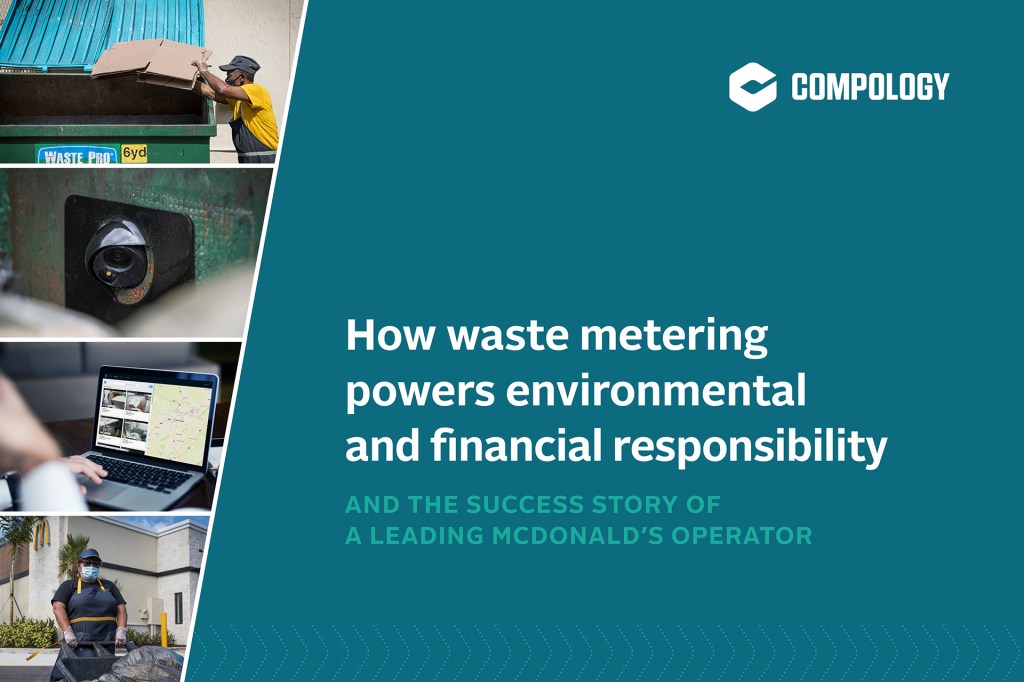
How Waste Metering Powers Environmental And Financial Responsibility
We know that you can’t manage what you don’t measure. As such, metering utilities like gas, water and electricity has been standard practice for decades. Waste, on the other hand, remains out of sight and out of mind for most businesses with no way to accurately and consistently measure how much waste is actually being produced. For far too long, businesses have been estimating their waste production volumes by making a longstanding but flawed assumption: that their dumpsters are actually full when they’re picked up. But they’re not. Read More