Jim Giles
Jim Giles is Vice President, Editor-at-Large at Trellis Group. His writing has appeared in the New York Times, Atlantic, Economist, Guardian, Nature and other publications. He was the co-founder of Matter, an award-winning investigative publication that was acquired by Medium in 2013. In 2017, he was a graduate of the Sulzberger Executive Leadership Program at Columbia University. He’s also worked as a strategic consultant for several high-impact organizations, including the European Climate Foundation and the Wellcome Trust.
New competition pushes companies to invest in carbon removal
XPrize and ClimeFi have announced a new ‘leaderboard’ to recognize achievements in durable carbon removal. Read More
Are carbon offsets a joke? A response to comedian John Oliver
The segment on HBO made the rounds in the sustainability universe. What he got right, wrong and where there is a little more nuance. Read More

In lobbyists vs. sustainability, the lobbyists are winning
The insane thing about this lobbying — aside from the disregard it shows for, well, human civilization — is that companies need climate legislation to hit their targets. Read More

Supply-chain data gets granular
By the numbers: New initiatives and products developed to track carbon through supply chains are finally adding up. Read More

These new services are like Consumer Reports, but for carbon offsets
Calyx, Sylvera and BeZero are in the process of rating hundreds or even thousands of offset projects. Read More

Will my kids eat insects?
Our analyst tries to get his elementary school kids to eat crickets and mealworms, with some help from chocolate. Read More

The California dairy with a net-zero ambition
Trinkler Dairy Farms added a biodigester system to reduce emissions by 30 percent. Read More

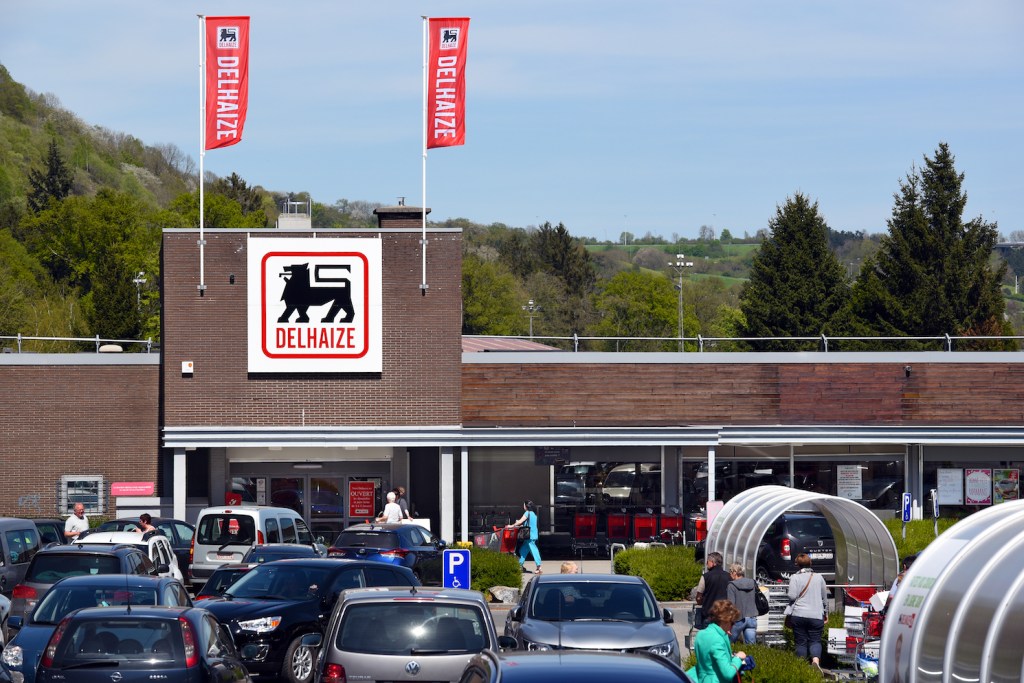
Europe's supermarkets are leading on sustainability
Grocers in Europe are deploying many small tactics like labels and discounts push consumers into making more sustainable choices. Read More
Second quarter food startup roundup
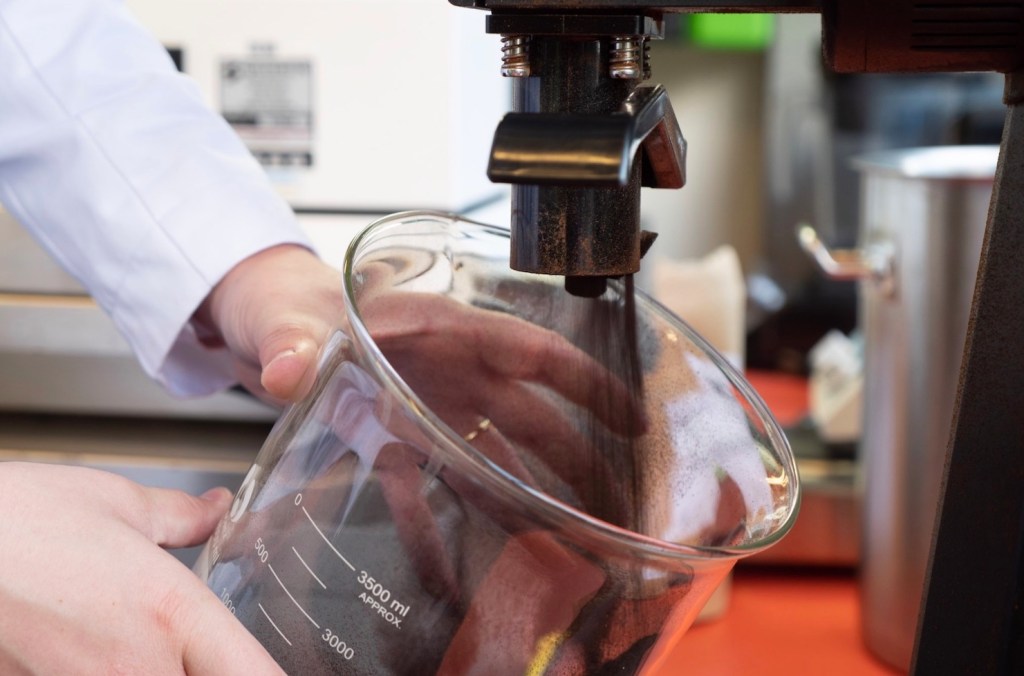
The Q2 startup round up includes companies focusing microbes to replace nitrogen, coffeeless coffee, long-lived fruit and timber protein for fish. Read More
First hints at Biden's climate strategy for food and ag
The U.S. Department of Agriculture released a summery of its listening tour for a climate-smart strategy. What it included sheds light on where the federal government is prioritizing its efforts. Read More