Making soil health good for business
Providing tools and assistance to farmers helps boost yields and improve soil health, proving sustainability and profitability can go hand in hand. Read More
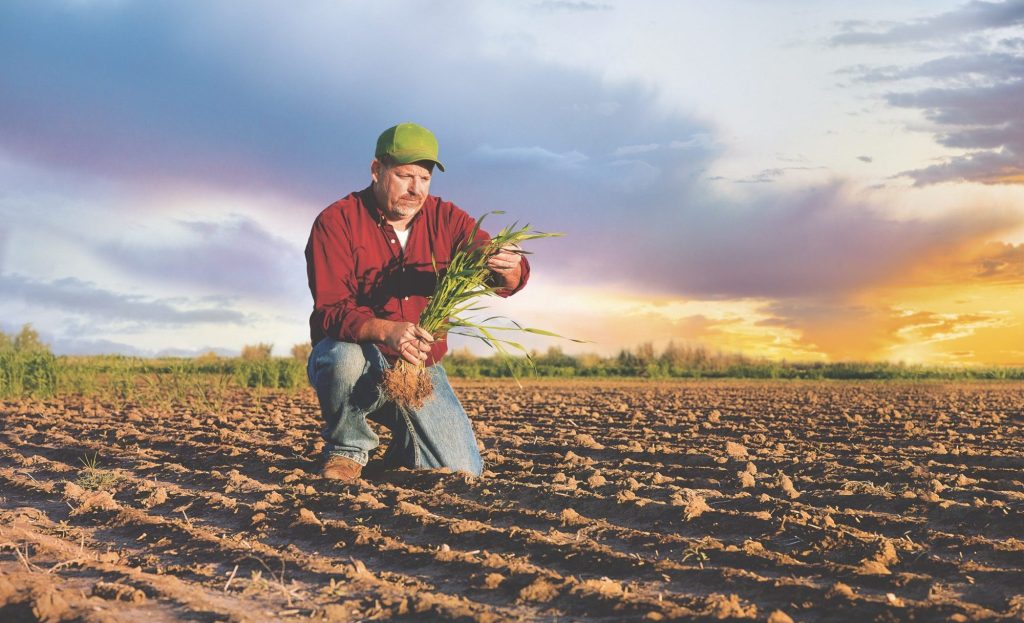
A mile away from the center of the COP30 negotiations in Belem, delegates had the opportunity to see the future of farming. Among the innovative agricultural solutions presented was Pro Carbono, a regenerative farming approach Bayer is piloting on 7.4 million acres in Latin America. Farmers enrolled in the program get support for increasing yield on existing farmland and implementing sustainable practices such as cover crops all year round. The results: A 10 percent increase in yields and the ability to store more carbon in their soil for years to come. As we reflect on World Soil Day, Pro Carbono’s success is a reminder that healthy soil is directly tied to a farmer’s bottom line.
The soil beneath our feet is home to a vast and complex community of organisms known as the microbiome, a cornerstone of life on Earth. The microbiome drives essential processes that sustain plant growth and regulate global nutrient cycles, which is why healthy soils depend on strategies that ensure soil moisture and a thriving microbial life.
Since the turn of the century, soil moisture has declined due to changing rainfall patterns and a “thirstier” atmosphere, reducing microbial activity and function. And without healthy soils, farming has no future. Farmers must adopt sustainable farming practices, supported by technical assistance and crop protection tools, to build organic matter, foster beneficial microbials and sequester carbon. These outcomes drive healthier soil that supports high yields and high-quality crops and protects our environment.
Yet, in a recent survey by Rabobank, nearly half of farmers say they are concerned about the risk of implementing sustainable practices on their farms. This is not surprising: Farmers today face tight profit margins, unpredictable commodity markets and rising input costs, making it hard to take on any further risk. If we want to implement soil health at scale, farmers need practical strategies that balance short-term profitability with long-term resilience and productivity.
These soil health strategies should leverage tools and resources farmers already trust — empowering them to achieve both sustainability and profitability. This makes risk management programs such as Pro Carbono and existing crop protection tools even more important, if we want to achieve healthier soil. Crop protection, combined with an integrated weed management program, enables reduced- or no-till farming, practices critical for preserving soil structure, as they reduce water and wind erosion and retain moisture. Crop protection tools such as glyphosate help farmers avoid disturbing the soil, enabling them to sequester carbon and protecting its health while reducing fuel and labor costs, directly supporting profitability when every dollar counts.
Cover crops help to increase soil moisture, enhance soil life and store carbon in the soil. In Latin America and the United States, Bayer works with growers to plant cover crops all year round and provides them with solutions that take sustainability and profitability into account. We transformed the weed Pennycress into CoverCress – a cash crop that grows when land would usually be fallow. This solution supports soil health, nutrient management, yields and farmer profitability — creating an additional opportunity for revenue.
Innovative tools have long worked hand-in-hand with sustainable farming practices. In the 1970s, less than 1 percent of arable land was farmed without ploughing. When biotechnology introduced crop protection tools to farmers, no-till farming practices took off. Today, 15 percent of farmland globally is no-till — higher in some places, such as the U.S., and enabled by crop protection tools such as glyphosate and integrated weed management programs.
Ensuring that farmers have a toolbox with many diverse tools including solutions such as CoverCress and the crop protection tools they trust, alongside robust risk management and technical assistance, is key to healthier soils. At Bayer, we’re committed to helping provide access to the tools that farmers need to improve soil health, control costs and remain resilient, so farms remain profitable for generations to come. Ensuring sustainability and profitability isn’t just good business; it’s vital for the future of our soil, our food supply and our planet.

Subscribe to Trellis Briefing