After SBTi reset, some wonder if targets are still science-aligned
The old rules required some companies to commit to unrealistically steep emissions cuts. But do the new rules break with IPCC recommendations on a 1.5-degree future? Read More
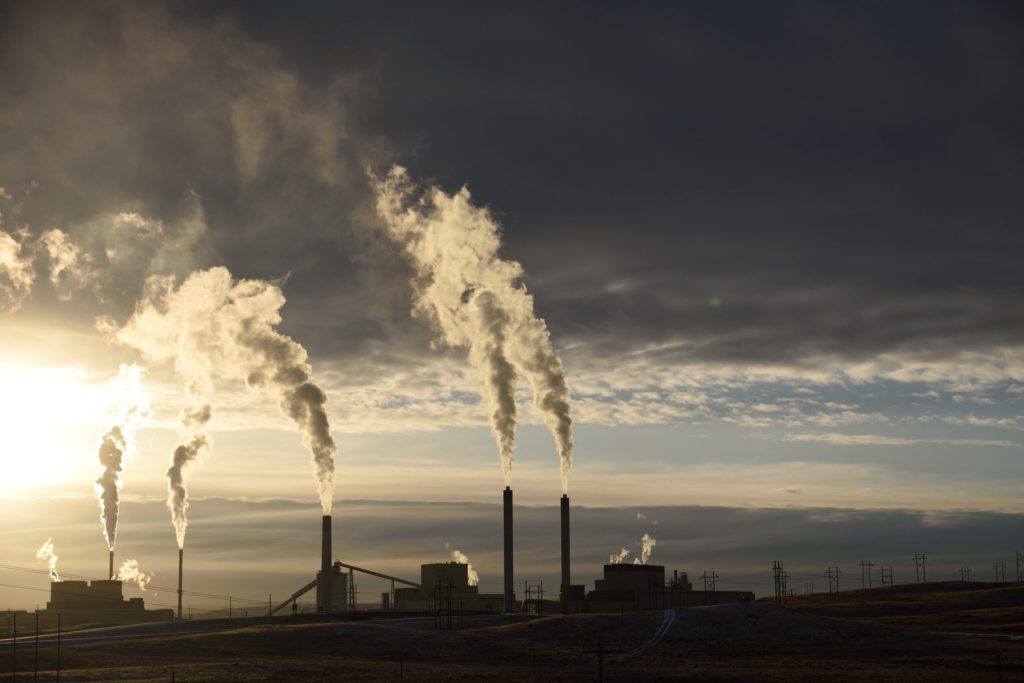
- An update to the Science Based Targets initiative’s rules eliminates the need for steep emission cuts by 2030.
- Companies that rejected the SBTi process may now return, consultants noted.
- Businesses that recently committed to much larger reductions under the old rules cannot retrospectively apply the new requirements.
The Science Based Targets initiative (SBTi) has quietly released an update to its rules that allows companies to set significantly less ambition near-term goals. The move will likely enable more companies to set SBTi-approved targets, but also raises questions about the alignment between the organization and climate science.
Until this month, companies setting SBTi goals using the organization’s general-purpose rules were required to reduce Scope 1 and 2 emissions — those from direct operations and electricity purchases — by at least 4.2 percent annually between 2020 and 2030. For emissions elsewhere in the company’s value chain, known as Scope 3, a minimum 2.5 percent annual cut was required.
As 2030 nears, companies wanting to set their first SBTi targets were therefore being asked to commit to increasingly steep — and in some cases, unrealistic — near-term reductions. That burden was eased on April 14, when the SBTi released an appendix to its Corporate Net Zero Standard that describes how companies can spread reductions between now and their net zero target year, which is typically 2050.
The impact on companies that set new targets and use 2025 as a baseline will be dramatic. Under the old rules, a reduction of around 42 percent in Scope 1 and 2 emissions by 2030 was required. That has now fallen to 21 percent for some companies, according to sustainability consultants who have assessed the impact of the new rules. Required Scope 3 cuts went from more than 20 percent to around 15 percent.
Achievable targets
“This reopens the conversation for organizations that may have had no way forward with SBTi under the previous standard,” said Erin Williamson at sustainability and energy consultancy Trio, which helps clients in pharmaceutical, automotive and other sectors set targets. She estimated that five to 10 companies she works with had recently walked away from the SBTi process because of the steep emissions cuts the old rules required.
Other consultants echoed Williamson’s take on the move, but several also had concerns about how the change was announced. Companies with commitments that have not yet been validated by the SBTi were notified by email, but a broader announcement was not made until April 29. More importantly, the change was not signaled in advance, despite the fact that it cannot be applied retrospectively.
“I can imagine it’s going to be incredibly frustrating if you just submitted, especially if you really struggled to get buy-in for that target and it felt really ambitious,” said Claire Taylor, a senior associate at the U.K.-based Carbon Trust, which helps organizations transition to net zero.
Alignment with the science
The move also raises questions about the SBTi’s alignment with Intergovernmental Panel on Climate Change recommendations on limiting global temperature increases to 1.5 degrees Celsius of warming, which require a 43 percent reduction in global emissions by 2030. The SBTi’s net-zero standard is designed to align Scope 1 and 2 targets with this science.
“Companies must set near-term science-based targets to roughly halve emission [sic] before 2030,” states the SBTi’s on its homepage for the net zero standard. “This is the most effective, scientifically-sound way of limiting global temperature rise to 1.5°C.”
An SBTi spokesperson told Trellis that the level of ambition enshrined in the net-zero standard is unchanged and that companies are still required to commit to reaching net zero by 2050. Nonetheless, the update means SBTi-validated businesses can have greater emissions during the earlier stages of that journey. Those cumulative emissions will make the 1.5 degrees goal, which many already consider out of reach, even harder to hit.
“We are still talking about 1.5-degree-aligned targets,” said Pierre-Victor Morales-Aubry, also at the Carbon Trust. The underlying assumption behind the naming, he added, is that warming will be limited to 1.5 degrees if everyone sets and hits the target. “And that might no longer be true.”

Subscribe to Trellis Briefing