Biodiversity VC fund focuses on seaweed, fungi and invasive species
Superorganism is targeting technologies that lessen the impact of polluting industries. Read More
- The fund has raised $26 million to back bets at the intersection of biodiversity and business.
- Revenue models for its startups include carbon credit sales, with Neflix as one customer.
- The fund will write checks in the $250,000 to $500,000 range for seed and pre-seed companies.
A venture capital firm devoted exclusively to backing startups working to restore nature and biodiversity has closed its first funding round.
Superorganism has already used some of the $26 million it raised to back startups creating leather from invasive species, rebuilding fungal networks in forests and generating plastic from seaweed.
“You could think of us a lot like a climate tech fund,” said Kevin Webb, an investor and one of the fund’s managing directors. “But instead of looking at business opportunities to draw down CO2 or emit less of it, we’re doing the same thing for nature loss.”
The fund is premised on three areas of opportunities, explained Webb and conservation technologist Tom Quigley, his co-director:
- Industries historically tied to nature loss. Superorganism backs startups that can help reinvent these industries, reducing the pollution, habitat loss and other negative impacts they cause.
- Intersection points between nature and climate. This could include technology for nature-based solutions, or using nature as an adaptation to rising sea levels.
- Enabling technologies. “We’re looking at the next generation of satellites, remote sensing, biotech, AI,” said Webb. “We’re looking for things that can be really useful in the hands of conservationists that allow them to do new things or do more with fewer resources.”
The fund has made 20 investments to date in the $250,000 to $500,000 range, with the focus on startups in the seed and pre-seed stage. The longer-term aim is a portfolio of around 35 companies. Backing for the initial round came from AMB Holdings, Builders Vision, Cisco Foundation and others.
Here are three startups that illustrate the fund’s goals:
Funga
Funga rewilds soil microbiology to accelerate forest regeneration, leading to faster growth and additional carbon sequestration. The startup says it has sequenced DNA in soil samples collected from hundreds of forests and used machine learning to discover which microbes correlate with healthier forests. It uses that data to inoculate seedlings in commercial tree nurseries prior to planting in forest regeneration projects.
The startup generates revenue by selling carbon credits issued for the forest growth made possible by the inoculations. Funga has enrolled 28,000 acres and last year revealed Netflix as the first purchaser of its credits.
Inversa
Interested in a pair of python loafers? How about a silverfish-skin wallet? Inversa has you covered. The startup pays hunting and fishing cooperatives to supply it with invasive species extracted from wild ecosystems, which it then turns into different kinds of leather. Current targets include the iguanas that have invaded coastal habitats in Florida, pythons in the Everglades, silverfin carp in the Mississippi River Basin and lionfish from coral reefs in the Caribbean.
An Inversa partnership with Florida wildlife services “supercharged” the removal of pythons from the Everglades, governor Ron DeSantis said in October: “The new program accomplished more removals in July 2025 alone than in the entire year before.”
Sway
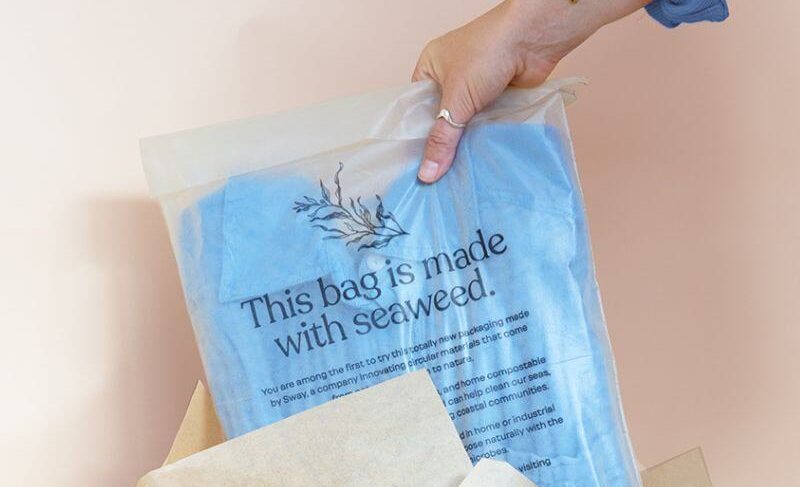
Sway processes sustainably farmed seaweed from partners in Indonesia, Chile, Puerto Rico, Mexico and Madagascar into TPSea, biopolymer pellets that can be integrated into industry-standard plastic production systems. Current end products include films that can be used as wrappers, bags and windows in packaging.
Fashion brands using Sway’s bioplastics include Burton, Faherty and Florence Marine. The product is also available through Atlantic Packaging, the largest privately held packaging company in North America, and was named a Best Invention of 2025 by Time magazine.

Subscribe to Trellis Briefing