

Science Based Target initiative (SBTi)
Don’t exclude nature from carbon credit rules, a group of experts tell the SBTi
An open letter to the organization takes aim at a potential preference for engineered climate solutions such as direct air capture. Read More

Automotive giants are called out for fuzzy net-zero plans
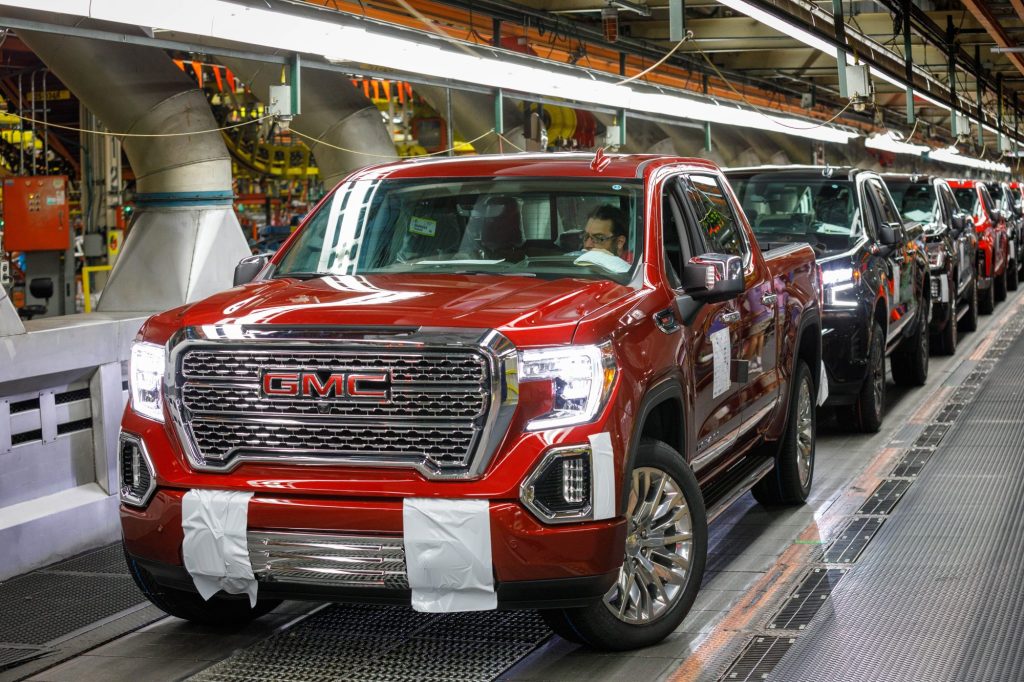
Commitments by Ford, GM, Stellantis, Toyota and VW don’t align with 1.5C pathways, a recent study says. Read More
After their net-zero pledges expired, these companies set a course without SBTi
JBS, United Airlines and Johnson & Johnson are among the more than 200 companies that have not subsequently had net-zero targets validated by the organization. Read More
The SBTi net-zero update is falling short. 3 ways to fix it
Getting net zero right requires a credible, science-based framework. Read More

Proposed code allows for use of carbon credits to address Scope 3 emissions
The Environmental Defense Fund and the We Mean Business Coalition were among the organizations backing the Scope 3 Action Code of Practice from the Voluntary Carbon Markets Integrity Initiative. Read More

SBTi wants more small companies to set net-zero goals. Here’s how it’s wooing them
Proposed changes to corporate standard are also designed to bring more midsize firms into the fold. Read More

New SBTi CEO urges companies to step up action on net zero
Former EY partner David Kennedy calls for more “partnership” with corporations as the nonprofit finalizes a major revision to the Corporate Net Zero Standard. Read More

Target-setting overhaul offers more options for reducing Scope 3 emissions
The SBTi has listened to companies that have long lobbied for more flexibility in dealing with this difficult challenge. Read More

SBTi proposes more flexibility in 132-page net-zero overhaul
Window is now open for corporations, NGOs, regulators and others to offer feedback on “initial consultation” draft Corporate Net Zero 2.0. Read More

SBTi delays new corporate net-zero update again
The Science Based Targets initiative will gather critique in an online survey and through five working groups. Read More
