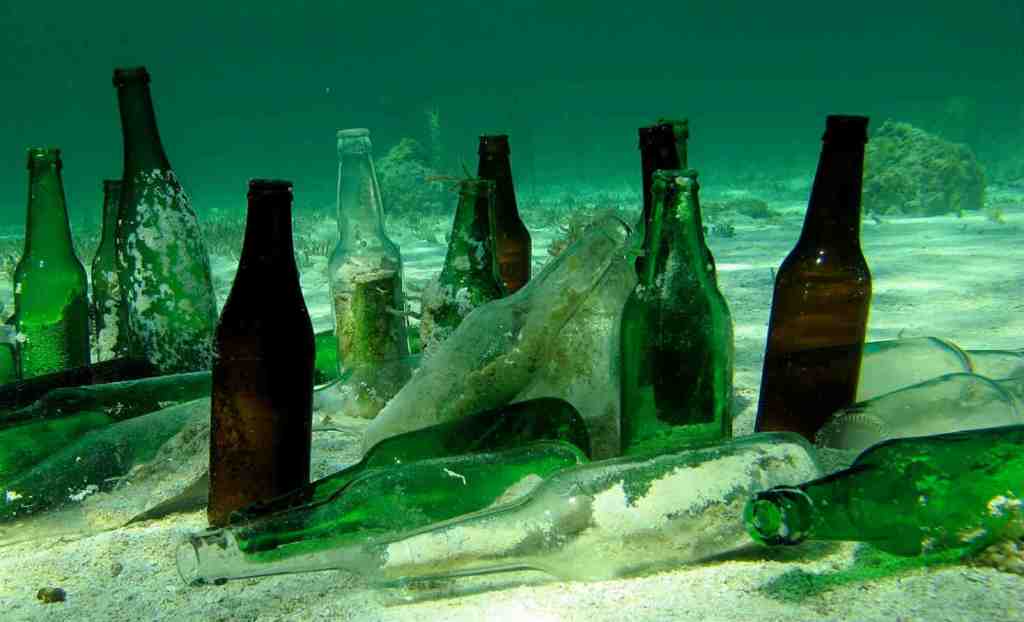
Pollution and overfishing erode $24 trillion ocean economy
The economy of the world’s oceans almost matches that of the U.K., but it’s being harmed at an alarming rate, warns WWF. Read More
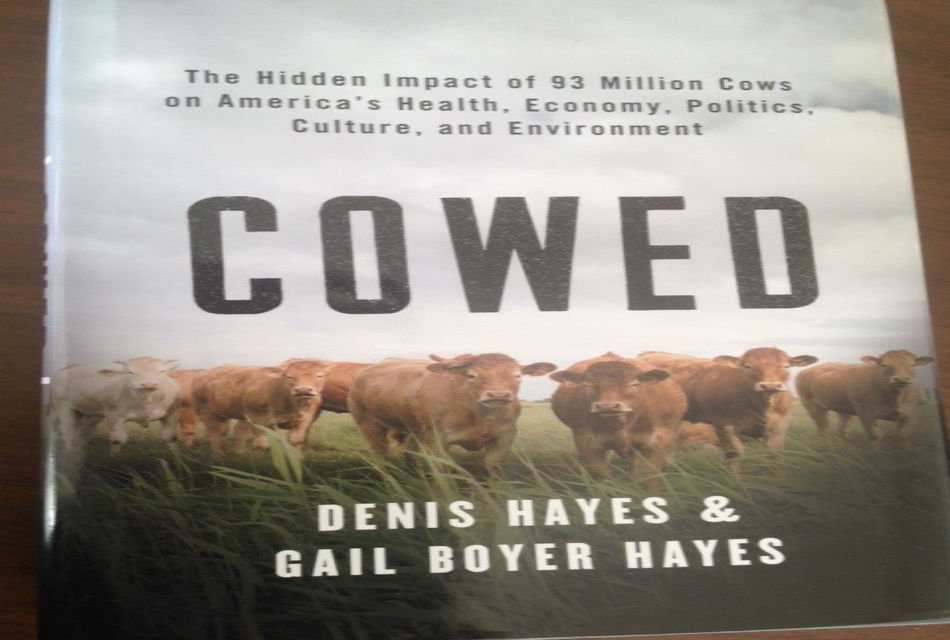
The udder truth about cows
In "Cowed," Denis and Gail Boyer Hayes suggest that we all re-think eating beef. Read More
How water offsets can fix the drought (and save energy)
Artificial pricing schemes have misaligned urban and agricultural water users. Investing in offsets to help reconcile that value gap could help. Read More

WWF makes the economic and business case for sustainable timber
As global demand for better forest management grows, regulatory and reputational risks strengthen the case for responsibly sourcing timber. Read More

Beyond Google and Apple: What's holding corporate renewables back?
Just a handful of leading companies source renewable Power. That’s a problem — and an opportunity. Read More

Smartphones and Twitter becoming next-generation earthquake detectors
Tweets and GPS may seem like mere conveniences, but in regions with less infrastructure, smartphones can help pinpoint quakes fast. Read More
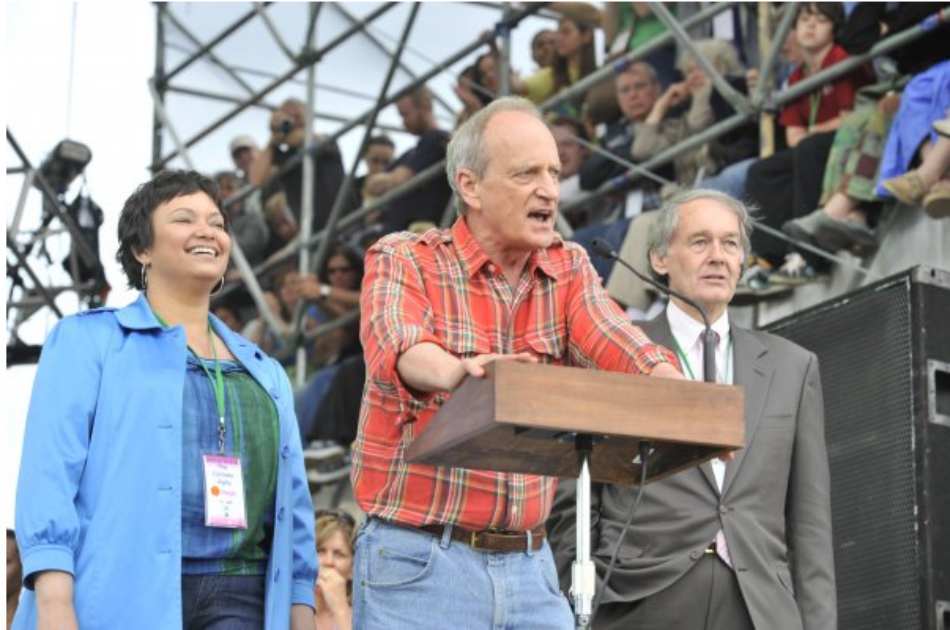
Earth Day at 45: Denis Hayes on going global, 'dreadful failure' of climate action
The annual holiday synonymous with environmentalism has gone global four decades after its inception, but those closer to home question what should come next. Read More
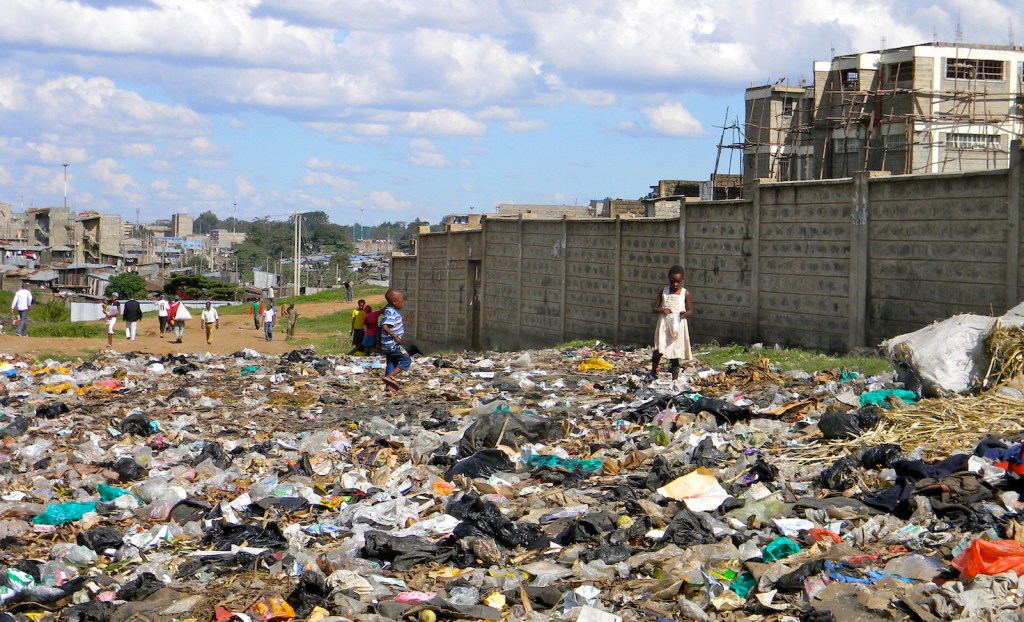
The problem with translating smart cities to the global South
By 2050, 2.5 billion more people will live in global cities — 90 percent of whom will reside in Africa, Latin America or Asia. But how do these less-developed urban centers fit into the hype about smart city technology? Read More
The 5 business models that put the circular economy to work
Here’s how Royal DSM, Disney, Caterpillar, Philips and giants of sharing are already seeing the benefits of moving beyond the take-make-waste model. Read More

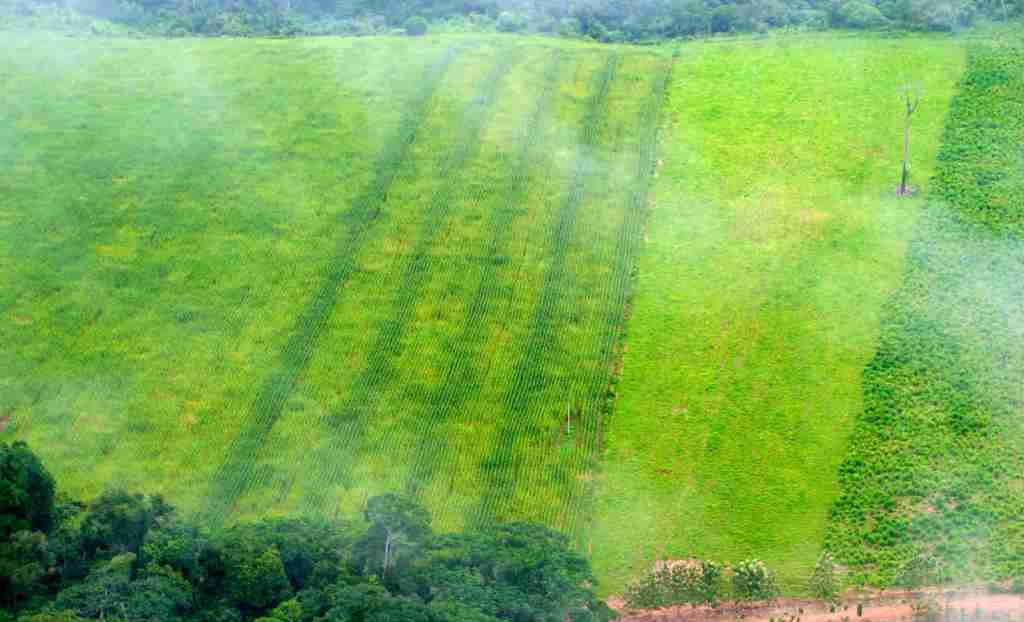
Incentives to halt deforestation dwarfed by ag subsidies spurring it
Farm subsidies worth at least $486 billion per year outpace the $8.7 billion total committed to avoiding deforestation in tropical countries. Read More