Resources
The 2021 State of Green Business Report
Download a free copy of the 14th annual edition of the State of Green Business report to access the key data and trends to watch in the world of sustainable business. Our world has been rocked on several fronts — a global pandemic, social unrest, the growing ravages of climate change, economic inequality, continued racial strife. The world is turning to big institutions to take on these big challenges and as a result the scope of this year’s report includes both social and environmental issues. Read More

COVID-19 and the Food Safety– Environment Dilemma
Tetra Pak research study reveals food safety-environment dilemma fostered by COVID-19 pandemic Tetra Pak is sharing findings from its global research study, in partnership with Ipsos, giving insight into the food safety-environment dilemma brought forth by COVID-19. Read More

RethINK PACKAGING: Reconfiguring the Packaging System for a Circular Future
The future of packaging is circular While packaging has improved standards of living by creating access to safe food and water, reducing food waste and ensuring hygiene in the pharmaceutical and healthcare sectors, it is also a contributor to various ecological crises. According to research published by the PEW Charitable Trust and SYSTEMIQ, only 59 per cent of plastic waste is formally collected, and less than 15 per cent is actually recycled. The world’s plastic waste is expected to double and ocean leakage is expected to triple by 2040. Read More
Making Solar Energy Even Cleaner
Solar is the fastest growing form of energy, and as more companies and governments turn to solar as a clean and affordable source of power, they often don’t realize that there can be significant carbon emissions in some elements of the PV supply chain, including the use of coal-fired electricity. Read More

C&I Solar Success Story: Black Hills State University in South Dakota
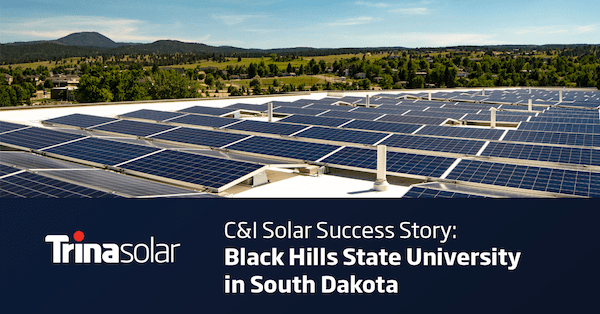
Across the country, schools and learning institutions are implementing ambitious initiatives to reach renewability goals. One such school, Black Hills State University (BHSU), in Spearfish, South Dakota, aims to make its campus powered completely by renewable energy by 2030. One obstacle many schools face when going solar is finding the right partners. An experienced team of experts and engineers can design a PV system best suited for a school’s energy needs, streamline procurement and optimize project value. Read More
First-Ever Peace REC (P-REC) Transaction Drives Renewable Energy Development in Africa
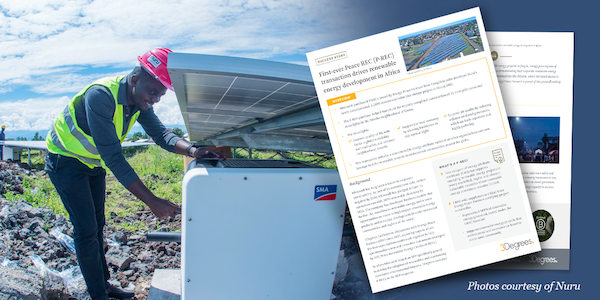
Microsoft recently executed the first-ever Peace Renewable Energy Credit (P-REC) transaction with Energy Peace Partners and Congolese solar developer, Nuru. 3Degrees facilitated the agreement in which Microsoft purchased P-RECs from a new solar project in the Democratic Republic of the Congo (DRC), which will directly finance the installation of 35 new streetlights in a recently electrified neighborhood of Goma. The streetlights: Read More
Global Executive Survey: Known Gaps and Blind Spots in Corporate Sustainability – Part I
Despite increasingly ambitious targets and a stated desire to meet these targets, companies continue to delay action to implement the necessary changes. How will they close the gap? We surveyed 200 executives of large multinationals to better understand priorities, barriers, and key practices that accelerated sustainability transformation. Our research has revealed three known gaps in sustainability execution: Read More

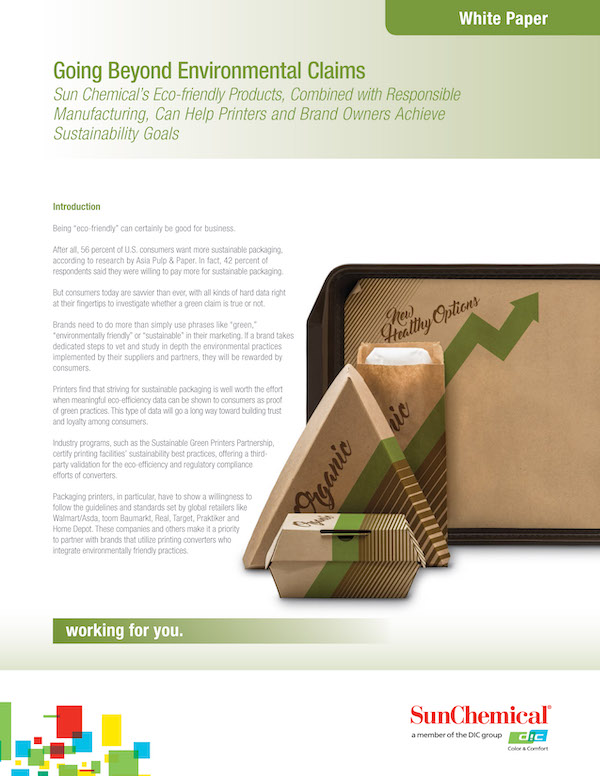
Going Beyond Environmental Claims
Consumers have made it clear; they want more sustainable packaging, but they also want brands to do much more than make claims like “green,” “environmentally-friendly” or “sustainable” in their marketing. With all kinds of hard data right at their fingertips to verify whether a green claim in true or not, brands would be rewarded by consumers if they take dedicated steps to vet and study in depth the environmental practices implemented by their suppliers and partners. Read More
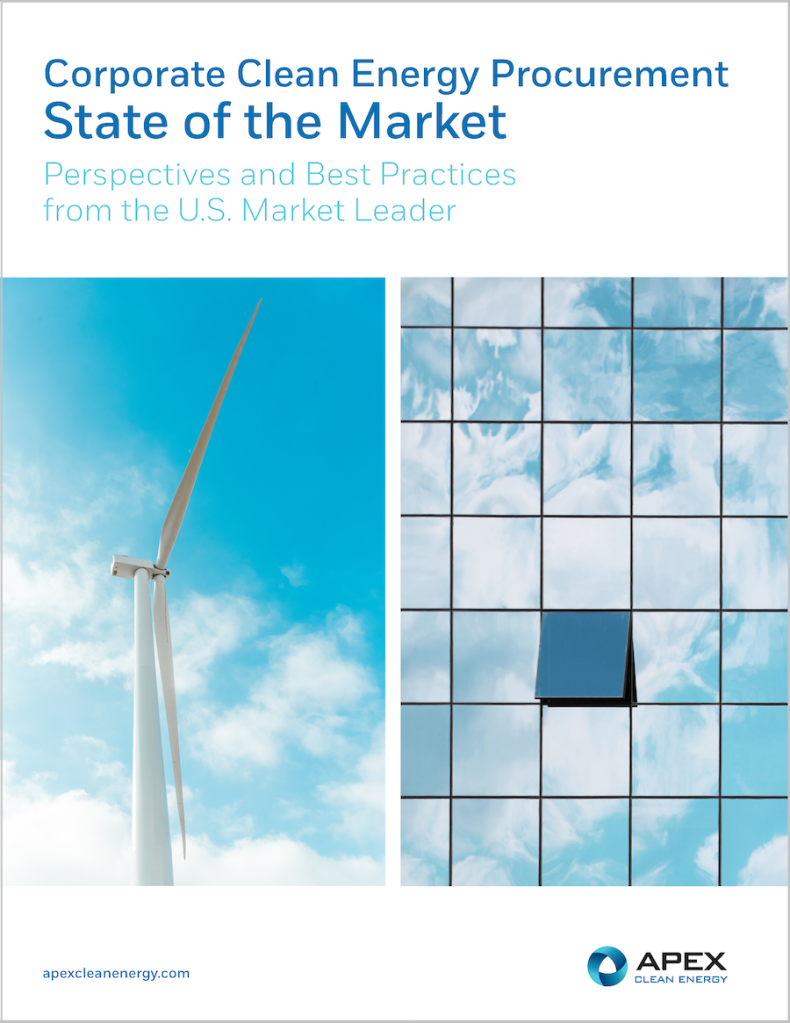
Corporate Clean Energy Procurement: State of the Market
Why and how are companies making the transition to clean energy? The why is it increasingly clear. ESG commitments, paired with the compelling financial returns of renewable energy purchases, are driving procurement decisions in new ways. Buyers increasingly seek renewables as cost-competitive sources of new power generation that offer a hedge against price volatility seen in traditional energy options. Read More
American Forest Foundation White Paper: Carbon Credits through Family Forests
As companies work to address their environmental footprint, voluntary carbon markets are seeing expansive growth as a viable strategy to offset emissions when needed. Yet, the U.S. carbon projects available for investment are limited – being almost exclusively developed on large or industrial forest properties of 5,000 acres or more. This is leaving out a substantial and charismatic demographic of forest owners that could partner with companies. Read More