

Decarbonization
What corporate offset buyers can learn from consumer protection laws
Some states enable private parties to bring lawsuits, creating additional risks for businesses. Read More

Amazon and JPMorgan headline group committing $100 million to cut ‘superpollutants’
Other founding companies in the Superpollutant Action Initiative include Autodesk, Google, Figma, Salesforce and Workday. Read More

How Patagonia, Google, Microsoft, Amazon and PepsiCo are working to rein in emissions
Companies continue to weigh the risks and rewards of full transparency. Read More

1,102 corporate sustainability reports published in 2025
See how Google, Amazon, Nestlé and more than 1,000 other companies worldwide are reporting sustainability priorities and progress today. Read More

The wrong way to finance a factory
A smarter capital stack for industrial decarbonization simplifies scale and protects the balance sheet. Read More


Turning waste into scope emission wins
Learn how to leverage waste diversion, recycling, and energy recovery solutions for reducing Scope 3 emissions. Read More

What to know about carbon markets in 2026
Experts from corporate sustainability teams, ratings companies and carbon credit registries guide carbon buyers on how to invest with confidence in 2026. Read More

The SBTi wants automakers to go all-electric by 2030. Sales figures suggest that’s not going to happen
A slowdown in EV adoption is raising questions about whether incumbent automakers will be able to fulfill the SBTi’s new standard. Read More

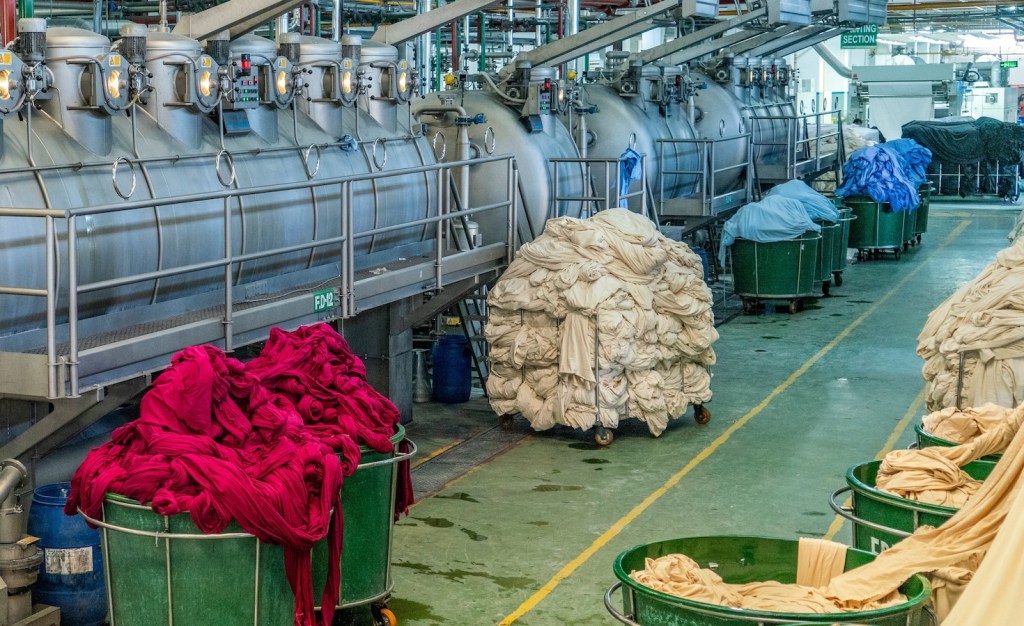
The real carbon hotspots in fashion aren’t where brands look first
Data highlights energy-intensive Tier 2 suppliers as the industry’s biggest decarbonization opportunity — and challenge. Read More
2 steps CSOs can take regarding Scope 2’s greenhouse gas protocol
The vast majority of market experts and energy users oppose the proposed change that would make hourly and location matching mandatory. Read More
