Decarbonization
The State of the Sustainability Profession in 2026
Though the pace of investment has slowed and priorities have shifted, most large businesses continue to advance sustainability in stormy times, according to our ninth biennial survey of sustainability professionals. Read More

Data Matters from Sphera, a discussion on LCA data quality
Start Watching Data Matters: The web series that goes behind the data Good sustainability decisions start with trustworthy data. But how do you know your LCA data is accurate? How is it modeled — and what keeps it… Read More
PwC says more companies are on track to hit emissions goals
But though the data points to progress, conclusions are compromised by a lack of agreement over what constitutes acceptable ambition. Read More


Microsoft’s Carbon Removal Pause Signals a Moment for Buyer Action
The pause reveals that no market matures on a single buyer. Learn what the moment means and how carbon buyers go forward confidently. Read More
It’s time to bring back the Montreal Protocol principles
Stable pricing, phased transitions and direct incentives are more effective than carbon credit-based systems. Read More
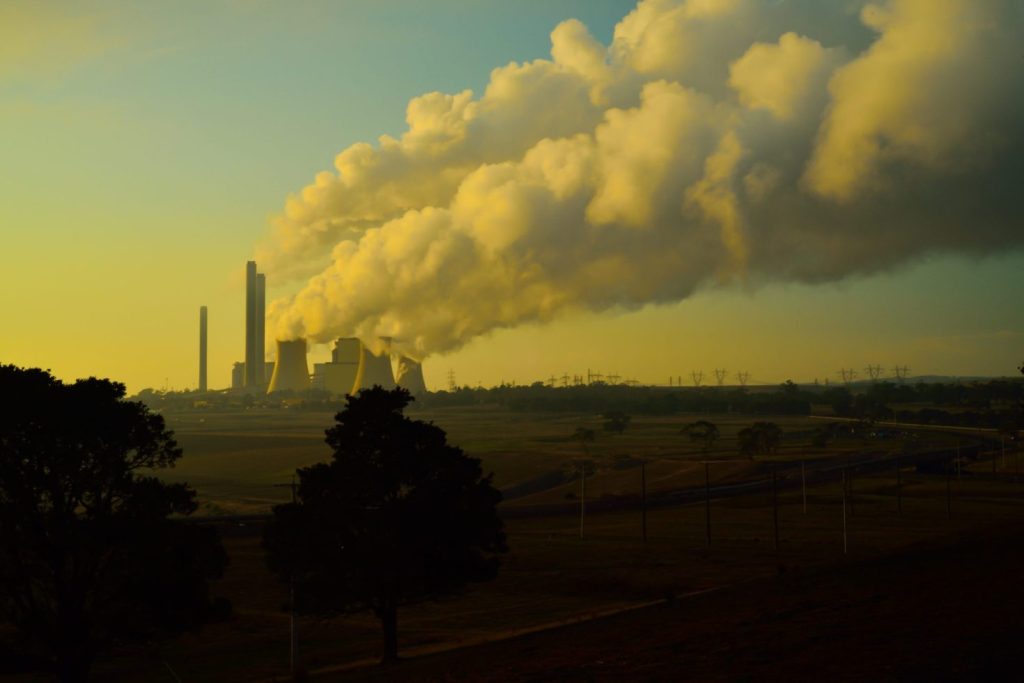
After SBTi reset, some wonder if targets are still science-aligned
The old rules required some companies to commit to unrealistically steep emissions cuts. But do the new rules break with IPCC recommendations on a 1.5-degree future? Read More
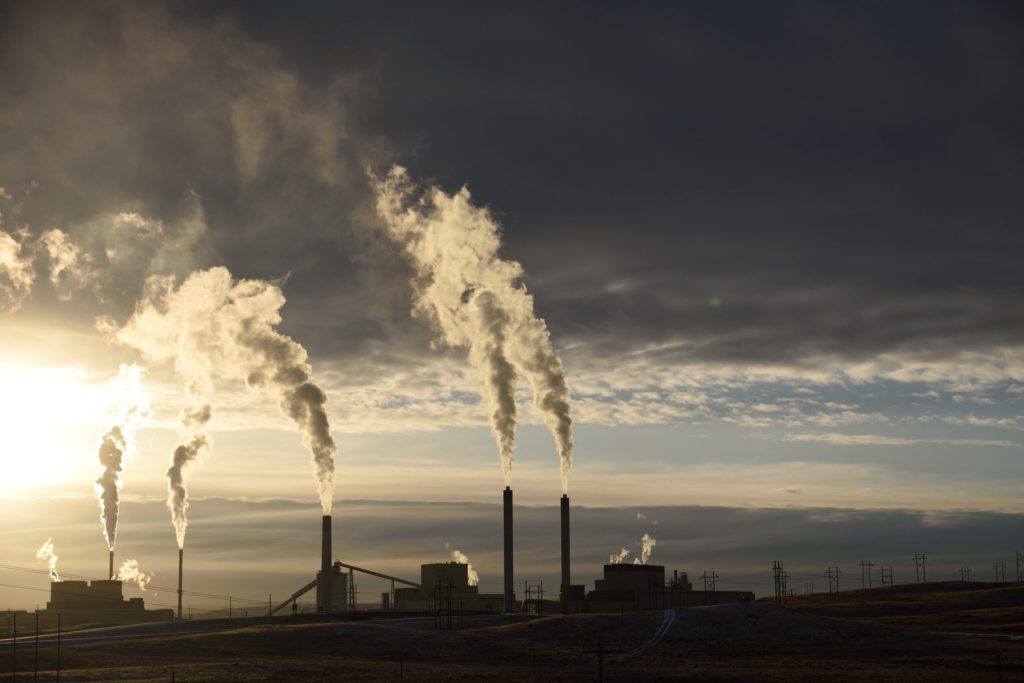
Cheap isn’t always a bad thing when it comes to carbon credits
The carbon market doesn't always have strong price-quality correlation. Read More

Dual accounting is essential for corporate climate progress. Here’s why
Multi-ledger reporting incentivizes more climate action and reduces greenwashing risks. Read More

Leading carbon credit registries expand into supply-chain decarbonization
The new options should make it easier for companies to reduce Scope 3 emissions. Read More
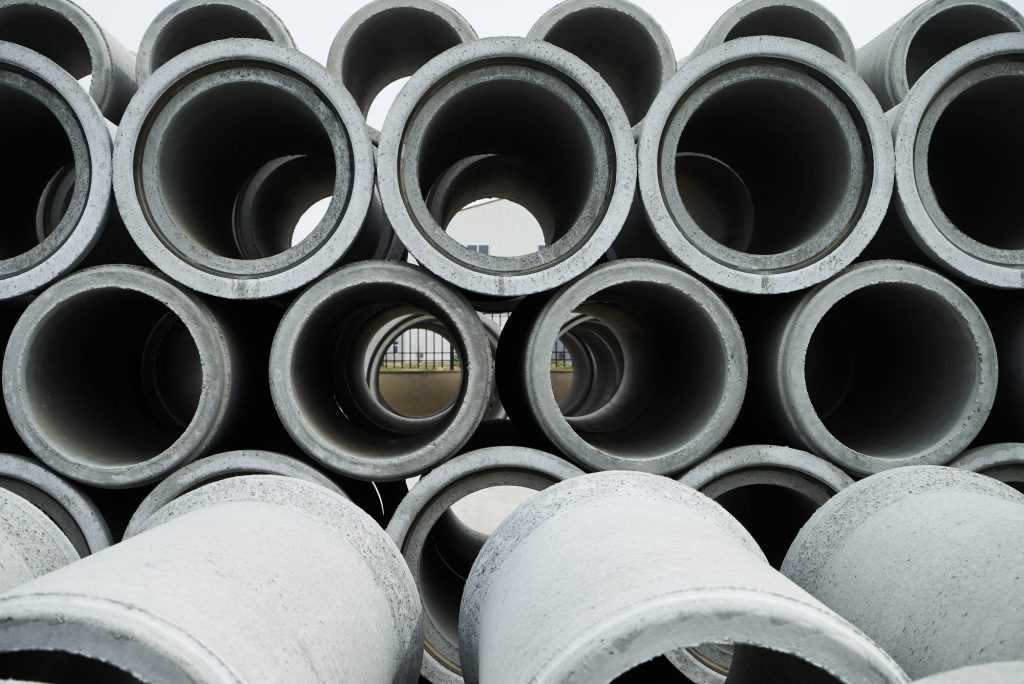

Powering Growth: How Business and Utilities Meet Surging Electricity Demand
As electricity demand rises and grid capacity tightens, maintaining reliable power is becoming more complex. Explore how businesses are scaling on-premises and distributed energy systems to help maintain uptime, control costs and scale operations with confidence. Read More