

The new normal in sustainable investing post-COVID-19
The time has passed for small commitments, hyperbole and delays in embracing sustainable investing. Read More
Green bonds are growing bigger and broader
The variety of purposes has expanded beyond alternative energy to green building and sustainable-transport projects. And that's just a start. Read More

Why global engagement is essential to sustainable supply chains
Four key considerations for infusing sustainability throughout your entire supply chain. Read More
As sustainability becomes professionalized, all professions look for sustainability skills
While positions focused solely on corporate sustainability positions are still rare among LinkedIn listings, environmental skills were among four of the top 10 fastest-rising skills among all LinkedIn users. Read More

How a strong shared sense of purpose can help companies succeed
King Arthur Flour, the oldest flour company in the United States, is an example of purpose in practice. Read More

Episode 218: What's next for sustainability careers, capitalism in a 'world on fire'
Plus, the role of sustainable finance in the COVID-19 recovery. Read More

The 3 essential elements for the circular jobs of the future
Here's what real benefits for workers and communities can look like, as laid out by Circle Economy. Read More
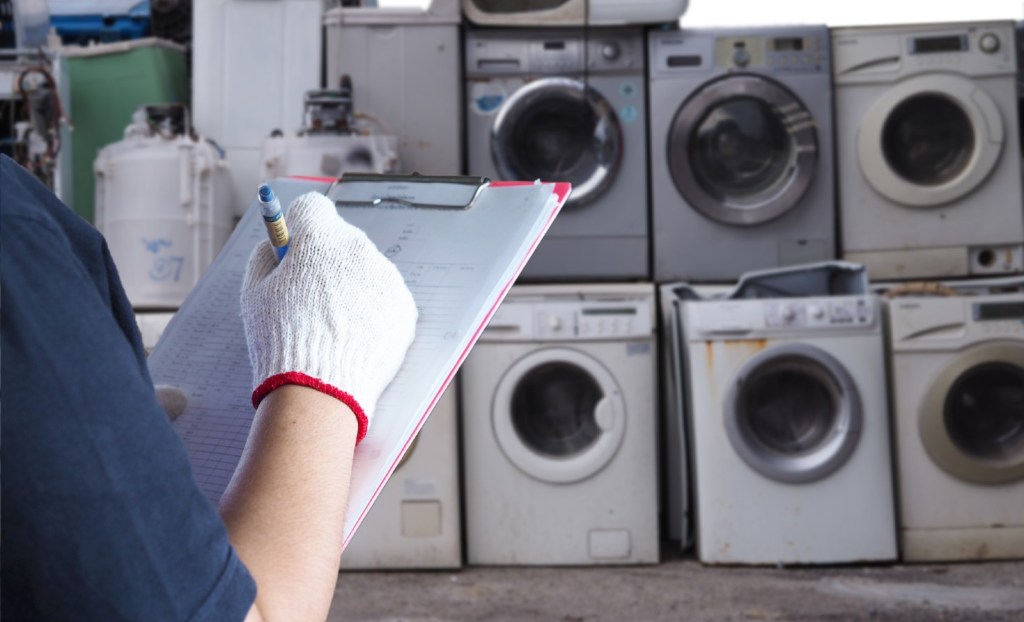
Now more than ever, it seems we can't live without plastic
Companies and governments are working to minimize environmental harm of plastic packaging and products, but they face a nuanced reality. Read More

What Engie's tax equity deal tells us about financing renewables
So far, money is still flowing into utility-scale deals but it's harder to come by for residential, distributed solar, commercial and industrial, and community solar projects. Read More

There's a more sustainable way to deliver online grocery orders
Many shoppers will find the process quicker and easier post-pandemic, which begs the need for more serious attention to the transportation footprint associated with getting groceries to consumers' front doors. Read More
