

Nature
The Great Salt Lake's dire need for regeneration
Scientists have estimated that without immediate action, the lake could dry up in as little as five years. Here are some ideas for its recovery. Read More
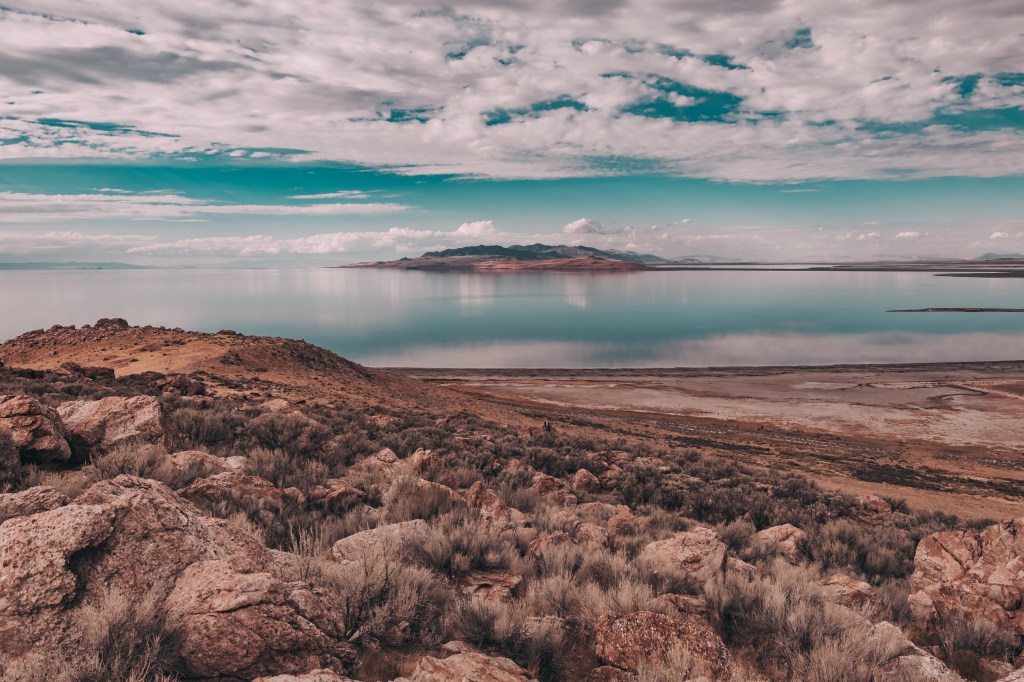
Satellite monitoring helps utilities manage risk, boost biodiversity
AiDash is working with utility companies to help them turn their land from a hazard into a carbon sink and biodiversity hub. Read More

Episode 357: Talking climate resilience, tipping points
Featuring interviews with Atyia Martin, the first chief resilience officer of Boston, along with the coordinators of the Verizon Climate Prize. Read More

TNFD releases final draft of nature-related financial disclosure framework
The task force's final recommendations for how firms should address nature-related risks will be published in September. Read More

Biodiversity and the future of food served by the cloud
Sponsored: Cloud technology is a critical ingredient to safeguarding biodiversity, securing food’s future and enabling a healthy planet. Read More
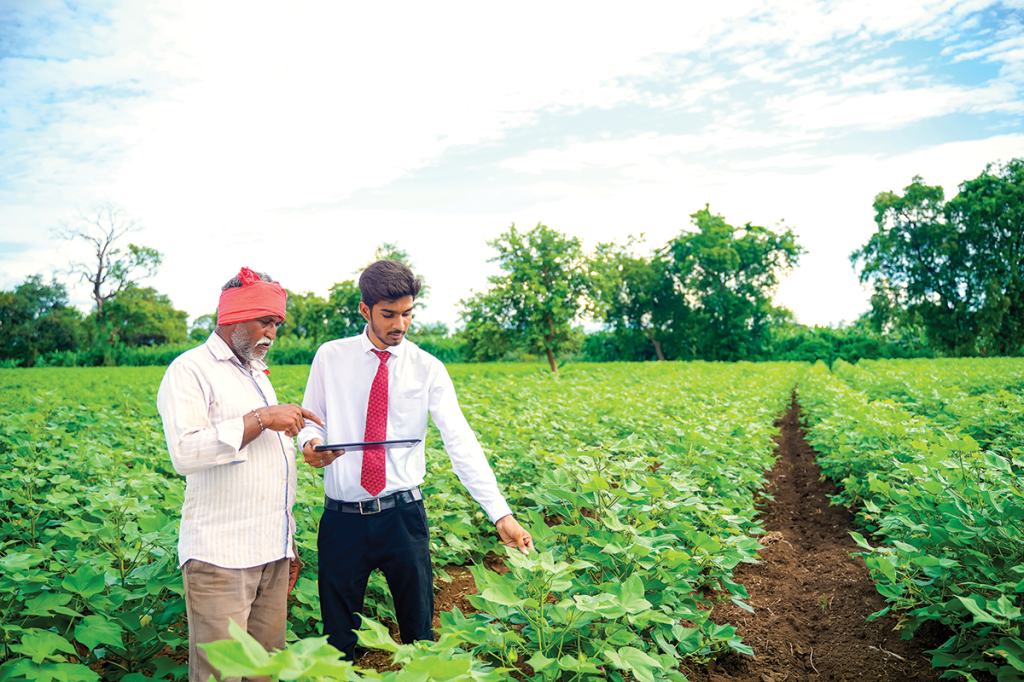
The good news about climate tipping points
A roadmap of what’s possible, what’s inevitable and what’s imperative if we’re to tame the climate monster bearing down on us all. Read More

A status check on the UN’s plastic waste agreement
Is this a case of all pain, no gain? Read More

3 ocean sequestration technologies you should know
Microalgae cultivation, seaweed sinking and electrochemistry enhanced sequestration are new ocean-focused ways to pull CO2 out of the air. Read More
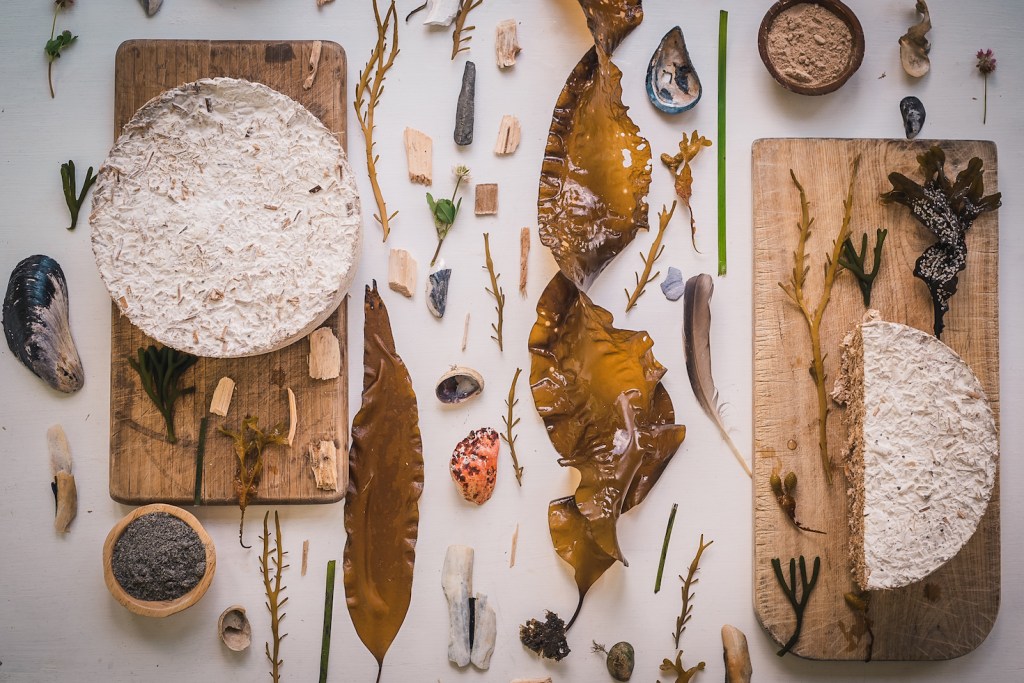
Diving into water restoration? What it takes to prime a project
Corporations including Meta and P&G have vowed to replenish the water consumed by their operations in water-stressed regions, but finding appropriate, “shovel-ready” projects takes connections and patience. Read More
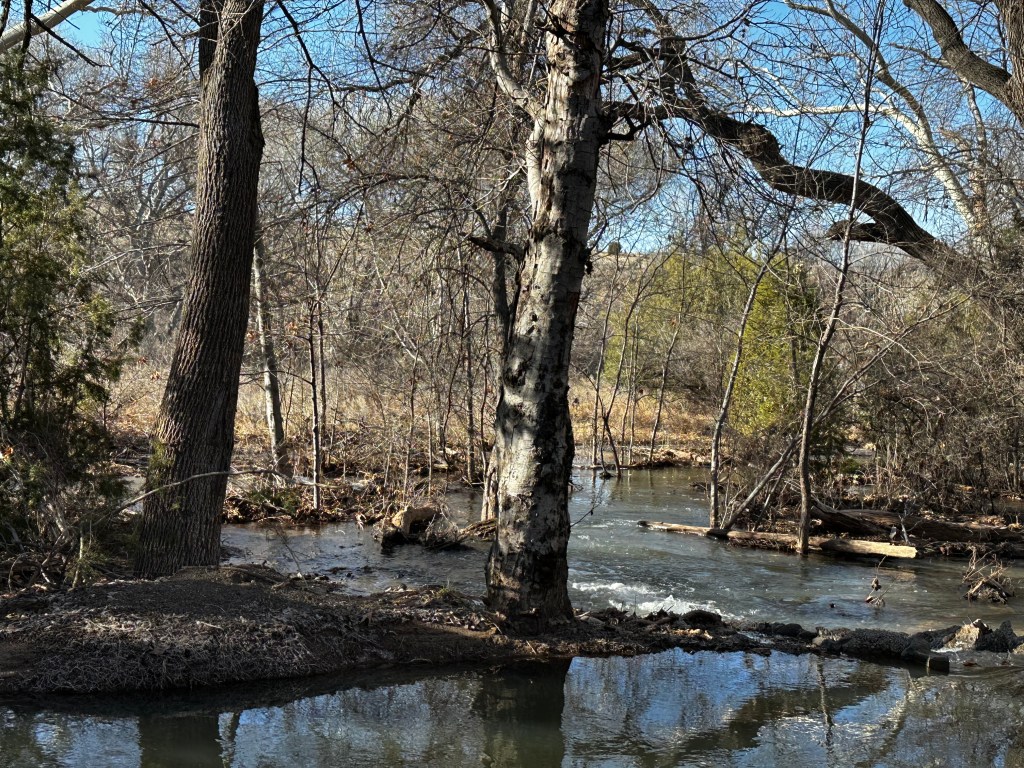
Microplastics are filling the skies. Will they affect the climate?
Recent studies reveal that tiny pieces of plastic are constantly lofted into the atmosphere. These particles can travel thousands of miles and affect the formation of clouds, which means they have the potential to affect temperature, rainfall and even climate change. Read More
