From ambition to implementation: 6 takeaways from Trellis Impact 26
Attendees repeatedly observed that the conversation has moved beyond why companies should act to how. Read More
- The tough question now is how to execute at scale while balancing cost, resilience, regulation and business priorities.
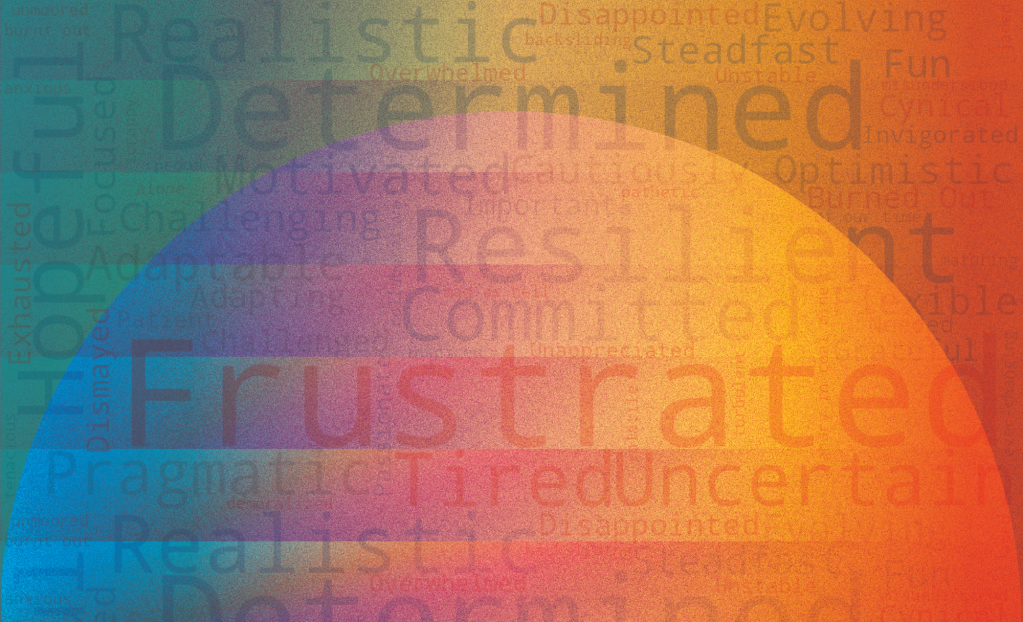
- In LinkedIn posts, terms such as “implementation,” “infrastructure,” “resilience” and “operations” appeared far more frequently than familiar sustainability language such as “net zero,” “carbon neutral” or “ESG.”
- “The scale and speed of [AI] deployment are creating a new industrial ecosystem, with constraints in power, materials, and talent driving innovation,” remarked one attendee.
In the weeks since Trellis Impact 26 wrapped up, attendees have largely converged on a handful of recurring themes in their post-event reflections. Across LinkedIn posts, the comments and conversations have centered less on ambitions and future possibilities and more on the present-day realities of execution. Trellis Impact 26 offered a preview of where sustainability leadership is today: a challenging but impactful period where implementation defines success.
In takeaway posts, terms such as “implementation,” “infrastructure,” “resilience” and “operations” appeared far more frequently than familiar sustainability language such as “net zero,” “carbon neutral” or “ESG.”
While many of the reflections focused on practical challenges, they also carried a notable sense of optimism. Rather than questioning whether sustainability progress is possible, our audience is discussing how to accelerate it.
Below, culled from more than two dozen LinkedIn responses, are the themes that are shaping sustainability in the “implementation era.”
Sustainability has entered its implementation era
Corporate sustainability has entered a new phase, one defined less by setting goals than by delivering on them. For years, the field focused on building frameworks, defining targets and publishing commitments.
At Trellis Impact 26, attendees repeatedly observed that the conversation has moved beyond why companies should act to how. The harder question now is how to execute at scale while balancing cost, resilience, regulation and business priorities.
Multiple attendees described this shift: “We’re no longer debating why circularity matters. We’re wrestling with how to make it work,” summarized one attendee.
Execution and methodology discussions surfaced across artificial intelligence, circularity, supply chains, climate tech, reporting and operations.
AI became the clearest example of that shift.
AI is now an infrastructure challenge
AI has evolved from primarily a technology conversation into an infrastructure one, with attendees consistently focusing on the systems and technologies required to scale it responsibly.
“The scale and speed of deployment are creating a new industrial ecosystem, with constraints in power, materials, and talent driving innovation.”
Rather than treating AI, energy, water and climate as separate conversations, attendees increasingly framed them as interconnected systems challenges. This theme surfaced across discussions of grid capacity, water, power, cooling, permitting and supply chains. Attendees are focused on building the physical systems needed to support AI at scale.
As AI infrastructure expands into more communities, community engagement is becoming just as important as technical innovation.
Social license matters more than ever
As AI infrastructure expands, attendees emphasized that technical expertise alone won’t determine which projects succeed. Multiple posters suggested that social license, community trust and local engagement are becoming just as important as power, water and permitting.
“Community engagement is emerging as a differentiator: Building local trust through early engagement and prioritizing human-to-human relationships is increasingly critical, with greater emphasis on direct dialogue and listening to navigate rising community expectations.”
The message across attendees’ comments was consistent: Long-term success will increasingly depend on earning trust through early engagement, transparency and ongoing dialogue.
Data must replace promises
As AI moves from experimentation to implementation, companies are increasingly expected to demonstrate measurable progress rather than ambitious commitments. Promises are no longer enough, with one attendee writing, “Show me the data.”
Another attendee put it even more directly: “Promises are cheap. Data is the new credibility.” Whether discussing AI or broader sustainability strategies, commenters emphasized that technology doesn’t replace human judgment or the need for credible evidence.
As implementation defines the next phase of sustainability, measurement will determine its credibility.
Scaling sustainability requires collaboration
As sustainability challenges grow more complex, attendees repeatedly described the need for cross-sector collaboration. Progress increasingly depends on partnerships between utilities, technology companies, developers, policymakers, suppliers and customers. As one attendee put it, “No one solves this alone.”
The same idea surfaced repeatedly in circularity discussions, where one attendee described it simply: “Circularity is a team sport.” The most successful organizations will be the ones best equipped to work across increasingly interconnected systems.
Business resilience is replacing sustainability
“Sustainability is increasingly framed as a business resilience issue,” remarked one poster. Resilience emerged as one of the strongest recurring themes across attendee reflections.
Rather than treating resilience as separate from climate action, many reflections described the growing convergence of mitigation and adaptation. Organizations need strategies that both reduce emissions and help workers, operations and communities adapt to climate impacts.
Resilience has become the business case that connects sustainability to long-term value, operational continuity and risk management.
The last decade of corporate sustainability was about defining ambitions. Trellis Impact 26 made it clear that the next will be defined by delivering on them.