New suggested way to estimate AI emissions
Carbon management firm Watershed publishes methodology for calculating the footprint related to corporate AI use. Read More
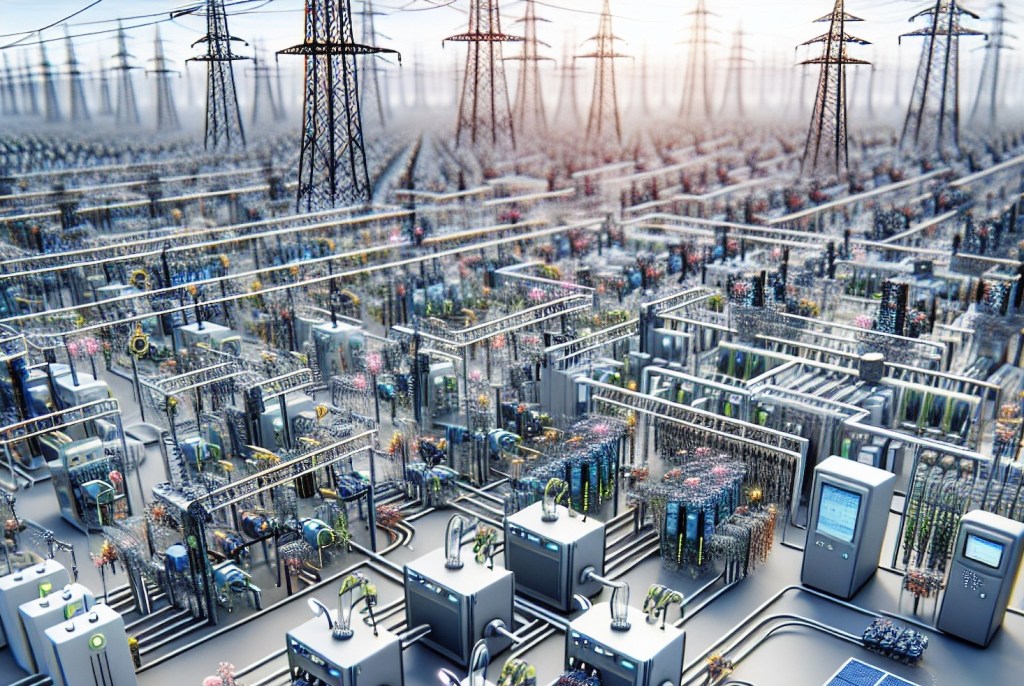
- Watershed’s framework offers a way for sustainability teams to get started with scarce data.
- It bases estimates on AI tokens, since many companies pay for licenses that way.
- Goal: Advocate standardized disclosure so companies can compare models.
Corporate adoption of artificial intelligence is outpacing the creation of methods that sustainability professionals can use to track and disclose related greenhouse gas (GHG) emissions and environmental impacts, such as increased freshwater withdrawals.
That prompted carbon management software firm Watershed, which counts Dollar Tree and Walmart among its clients, to suggest a “defensible starting point” for companies to estimate their exposure.
The approach, detailed in a white paper published in mid-July, advocates for estimating the average emissions associated with AI tokens, the smaller bits of code that make up an AI prompt. The proposed metric used by the methodology is kilograms of carbon dioxide equivalent per millions of tokens, reported along with the associated electricity consumption.
This allows companies to consider potential emissions reduction paths, such as buying matching clean energy. “Tokens are also the metric that many companies track for cost reasons, which allows token-level emissions reporting to leverage engineering efforts,” Watershed said.
Hard to find
AI emissions data is still scarce and often very high-level, such as this new AI emissions tracker, which rates eight AI data center companies.
The granular metrics needed for emissions accounting are harder to find. Frontier AI developers, including Anthropic and OpenAI, haven’t made it a priority. Big cloud services companies are more forthcoming, given their own climate goals, but even their disclosures are scant on detail.
Amazon created a resource for its cloud services customers that gives them a view into at least some of those metrics, but it doesn’t break out AI. Google published a technical paper in August 2025 that details energy, emissions and water impact for Gemini prompts, and Microsoft offered a similar view in June.
Don’t delay
Watershed’s 43-page proposal acknowledges these data gaps but offers sample calculations for getting around them along with four ways that sustainability professionals can shape what happens next. They are:
- Assemble a list of AI vendors, focusing on whether the capabilities and features are part of separate models or embedded into broader enterprise software platforms.
- Start estimating emissions with whatever data you have, which might include information about the carbon-intensity of the electric grid where the AI inference and training models are run.
- Request more data from AI providers, including (but not limited to) energy-intensity per token, training-related emissions, embodied carbon for the hardware and the physical region where the AI is hosted.
- Move to take action, such as encouraging the use of targeted prompts, routing models and inference to cleaner grids or matching usage with renewable electricity.
“As provider disclosure expands, companies will be able to compare AI emissions across vendors, factor emissions into procurement decisions and track efficiency improvements year over year — turning accounting into an active management tool,” said John Bistline, head of science at Watershed.

Subscribe to Trellis Briefing