Shareholders remain convinced that ESG matters
Investors continue to see economic inequality and climate change as risks and link responsible investing to stronger returns. Read More
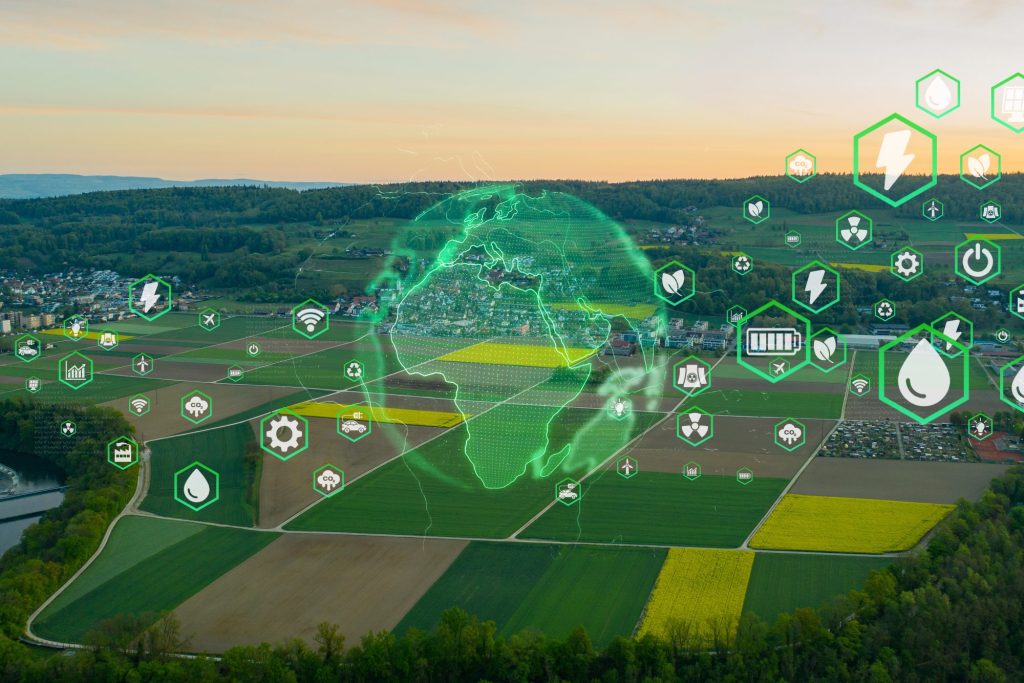
- Economic inequality remains an important investor concern.
- The belief that responsible investments deliver higher returns has strengthened, even amid political headwinds around ESG.
- Climate change continues to be perceived as an investment risk.
Even as the language of responsible investing continues to evolve, data from a GlobeScan survey of more than 8,000 retail investors across 23 markets reveals that the underlying convictions driving responsible investment have intensified or remained unchanged.
The view that economic inequality is one of the biggest risks to investors was held by slightly more than 80 percent of respondents in 2025, almost exactly matching the 2020 figure, while climate change as a perceived investment risk also held steady compared to five years before. Meanwhile, the belief that more responsible investments deliver higher returns showed the clearest upward movement: Total agreement climbed seven points to 77 percent, with strong agreement also jumping seven points to 32 percent.
This strengthening occurred during a period when anti-ESG rhetoric intensified in several major markets, suggesting that the financial case for responsibility is becoming more — not less — persuasive for shareholders. Taken together, the stability of all three measures points to a durable set of beliefs that now function as a baseline lens through which shareholders assess risk, opportunity and long-term performance.
What this means
The resilience of these views suggests that inequality, climate risk and the performance case for responsibility are now permanent features of the way many retail investors think about their portfolios. For companies, this means that addressing inequality and climate risk and demonstrating the link between responsibility and performance is no longer optional positioning, but rather a baseline expectation of shareholders. Brands and businesses that credibly connect their social and environmental practices to long-term resilience and value creation will likely be better positioned to sustain investor confidence.
Based on a survey of more than 8,400 consumers who own shares across 23 markets, surveyed in July and August 2025 and tracked over time.

Subscribe to Trellis Briefing