Why P&G, maker of Bounty and Charmin, hired a forester
The consumer goods giant has pledged to buy all of its wood pulp by 2030 from sources certified by the Forest Stewardship Council. Read More
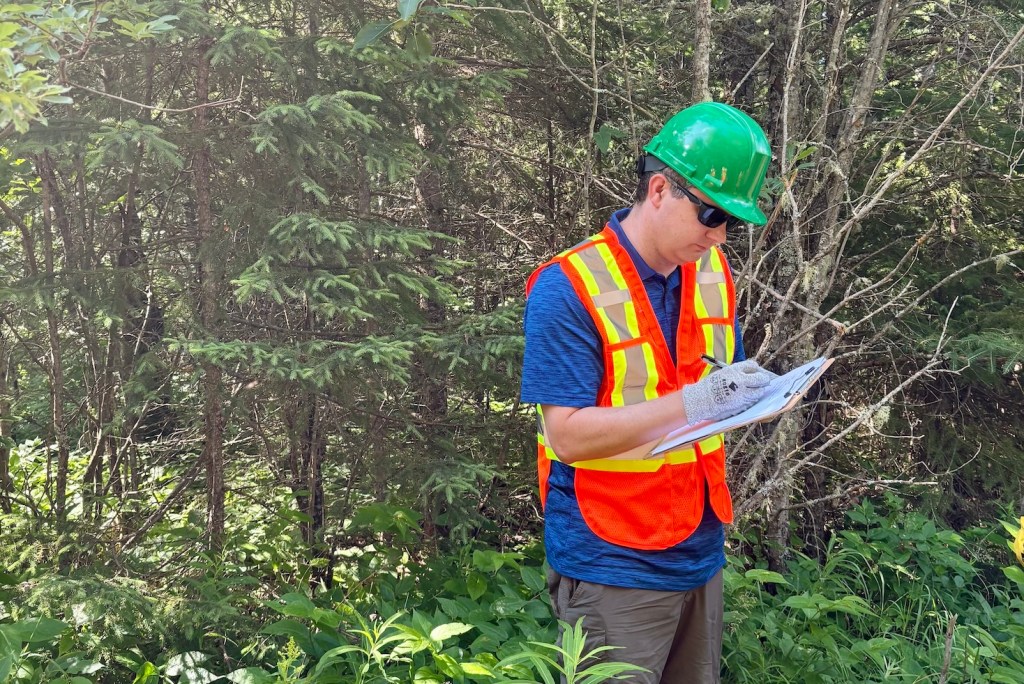
- Chris Reeves’ official title is director of scientific communications.
- He was a working forester for 12 years before moving to the corporate world in 2017.
- Ikea and Kimberly-Clark also employ foresters, but the practice is still rare among consumer products companies.
When Procter & Gamble adopted an ambitious new pulp and paper pledge in early 2021, it hired a forester to convince suppliers to get on board.
Officially, Chris Reeves is director of scientific communications for P&G’s family care business, which makes Charmin toilet paper, Bounty paper towels and Puffs facial tissues.
That title downplays his master’s degree in forestry and 12 years of experience managing Kentucky forests, but Reeves spends at least one-third of his time among the trees with land owners or in meetings with the Society of American Foresters and nonprofits with big forestry practices.
“Every day is different,” he said. “It’s making sure policies are adhered to. It’s offering education on the ground.”
P&G tries to make field visits to all pulp suppliers once every two years to offer technical advice and advocate for independent audits of their forest management practices.
In particular, Reeves is responsible for helping suppliers see value in becoming certified by the Forest Stewardship Council (FSC), a nonprofit that promotes strict environmental and social standards for timber and paper. P&G has pledged to buy all of its wood pulp from FSC-recognized sources by 2030; so far, it’s at 86 percent.
Reeves also visits with employees and retail partners and fields questions from investors. One of his biggest challenges is translating sophisticated concepts into messaging that’s more appropriate for consumers and P&G’s vast marketing organization.
Uncommon role
P&G has hired environmental scientists for decades and some paper products companies, such as Domtar, employ foresters and forestry engineers to manage responsible harvesting and replanting practices.
Reeves’ first corporate job was for IKEA, where he was responsible for wood purchasing processes. P&G rival Kimberly-Clark, which has pledged to be “natural forest free” after 2030, also employs foresters.
Still, it’s uncommon for consumer products companies to hire foresters who can work directly with suppliers and nudge them toward more sustainable forest management practices, sometimes with contract incentives or preferred supplier status.
“This is a new thing in that world,” said Sarah Billig, president of FSC’s U.S. operation. “P&G is ahead of the curve, but as brands and retailers dive into nature-based goals they have to dive more into their supply chain. We are seeing more companies engage in this sort of expertise. They need to get folks that can get down to the ground level.”
Foresters understand how to talk to local communities about both the economic and ecological value of forests, said Billig, who previously worked for a lumber company in Northern California. Many spend at least half of their time in community forums and cultivating knowledge of Indigenous forest management practices, she said.
“One of the most important things they do is push the value of better forest management,” Billig said.

Subscribe to Trellis Briefing