How the beleaguered ski industry is moving grid policy forward
Federal legislation to increase transmission capacity and ensure grid reliability is critical to the industry's future. Read More
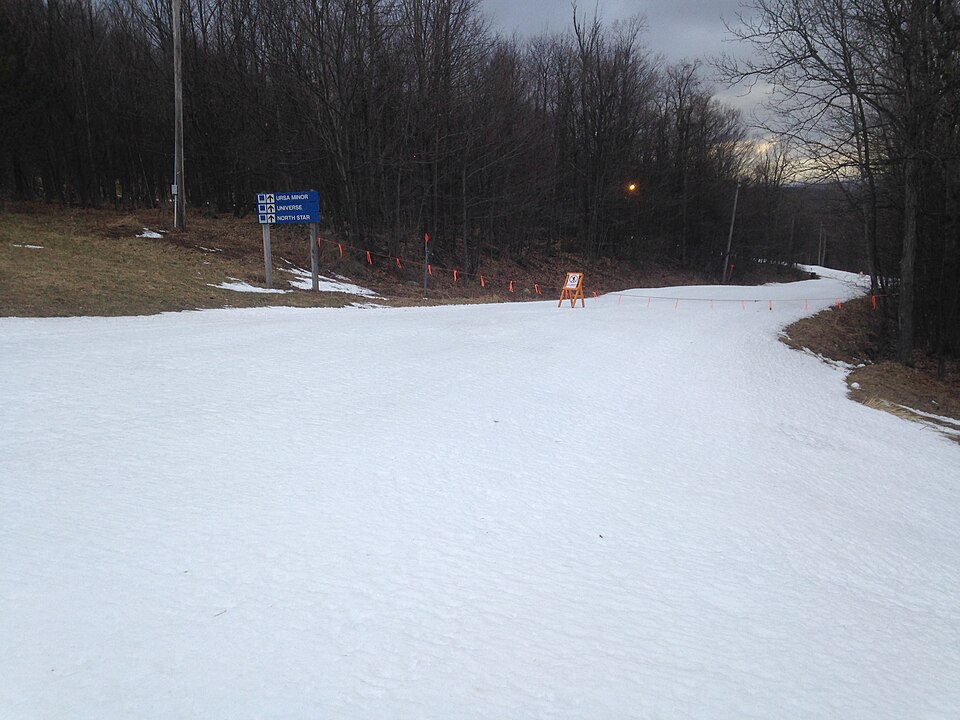
- Ski areas are dealing with strained rural electric grids that are making it more difficult to meet their climate goals.
- That’s bringing their policy advocacy into sharper focus, as Congress considers legislation to modernize environmental laws and the power grid.
- The industry’s pitch to lawmakers, which focuses on deploying clean energy and building a more resilient grid, is an example for other businesses to follow.
The opinions expressed here by Trellis expert contributors are their own, not those of Trellis or its editors.
Record-low snow in the Rocky Mountains this year pushed many ski resorts even further onto the front lines of climate change. Many in the industry had seen it coming.
Ski resorts have for years been trying to combat rising winter temperatures by setting net-zero emissions targets, fine-tuning artificial snow production and working with policymakers on both sides of the aisle to boost clean energy and grid investment.
Now their policy priorities are coming into even sharper focus, as power-hungry AI data centers and manufacturing strain aging rural power grids and make it more difficult to buy clean energy and electrify buildings. As a result, the ski resorts and their primary trade association, the National Ski Areas Association, are emerging as surprising advocates for federal permitting and transmission reform.
A unique model
In some ways, ski areas are unique. The amount of power their operations use and the air pollution they create are low relative to other large business operations. However, they’re located in remote areas that lack adequate infrastructure. That makes their connection to the energy grid particularly vulnerable to extreme weather, piling on to their climate-related challenges.
Still, NSAA and its members offer a model for other industries to follow, even ones that aren’t feeling the impacts of a warming planet quite so directly. Surging power demand, an aging grid and volatile fuel costs are putting companies across the economy in a bind. These risks threaten companies’ bottom lines and their ability to deploy more clean energy and meet internal targets for reducing climate pollution in their operations and supply chains.
The ski industry’s advocacy on Capitol Hill also shows other companies how it’s possible to keep talking about clean energy in a challenging political environment characterized by sharp divides in Congress.
Focus on the possible
NSAA and well-known resort operators, including Arapahoe Basin and Aspen One, have consistently joined other companies in advocating for clean energy with federal lawmakers. They were key partners with Ceres in making the case for — and later defending — the Inflation Reduction Act’s clean energy tax credits.
While the law has unfortunately been scaled back, that has not deterred the industry’s efforts on Capitol Hill.
The ski areas were out again in full force to join us for an advocacy day in D.C. this spring, where they talked extensively with lawmakers and staff about how grid constraints are a threat to their business. They made the case for a suite of commonsense reforms to the laws governing environmental permitting and transmission siting and cost allocation.
This tailored messaging is not only about what the industry needs to thrive, but is also grounded in a political moment when lawmakers from both parties see a path to modernizing environmental laws and the power grid.
In the past, the ski industry’s motivations for policy advocacy were obvious: Climate change is a threat to its very existence. Ski areas remain committed to that message and to their clean energy goals, and they see an opportunity to show policymakers how an aging and constrained grid is creating challenges for businesses across the economy.
In the Mid-Atlantic and Midwestern region controlled by grid operator PJM, power prices have jumped more than 70 percent in recent months due to massive new energy demand from data centers.
Even companies that aren’t contributing directly to the demand boom — ski areas, retailers, hospitals — are feeling the squeeze from higher electricity prices.
Permitting and transmission reforms that make it easier and less expensive to build the required power infrastructure — primarily clean energy — must be part of the solution.
Grid reforms
The ski industry’s focus on the grid is two-pronged. On one side, there’s climate change and the ski industry’s efforts to reduce emissions. On the other, there is new power demand and decrepit grid infrastructure that is currently raising costs for every business with an electricity bill.
Resort operators want permitting and transmission reform to help deploy clean energy, but it also solves for an operational risk. That’s one of the strongest arguments companies can make right now.
Leaders at Montana’s Bridger Bowl, a non-profit community ski area, are increasingly worried that the local utility will deploy more fossil fuels and increase power bills with the costs of upgrading the grid to accommodate data centers.
Mt. Rose Ski Tahoe in Nevada, which depends on an aging transmission line for all its electricity, weighs this factor when considering infrastructure upgrades, efficiency projects and adoption of new technologies.
Advocate for broad solutions
These factors also apply to other businesses outside urban clusters and to the communities around them — a powerful point in a period when everyone is feeling the pinch of higher energy prices.
When NSAA, which represents more than 300 ski areas nationwide, wrote to lawmakers in April in support of a hearing on grid reliability, the group emphasized how grid upgrades can help the robust tourism industry that drives economic development in the communities where they operate.
“Ski areas are doing their part by investing in energy efficiency upgrades, on-site clean energy and infrastructure projects to help mitigate potential reliability concerns, including transformer upgrades, working with local utilities and metering and sub-metering,” wrote NSAA Director of Sustainability Courtney LaBrie. “Still, we need the macro-level support of federal legislation to increase transmission capacity and ensure grid reliability on a broader scale, especially in the mainly rural areas where we operate.”
Their pitch is about the bottom line: Policies that deploy low-cost clean energy and build a more resilient grid keep power affordable and ensure the energy system works equitably for businesses across the economy.

Subscribe to Trellis Briefing