Meta contemplates net-zero timeline reset as emissions spike
The pace of the company’s artificial intelligence expansion has outstripped growth expectations used to develop its pledges at the beginning of the decade. Read More
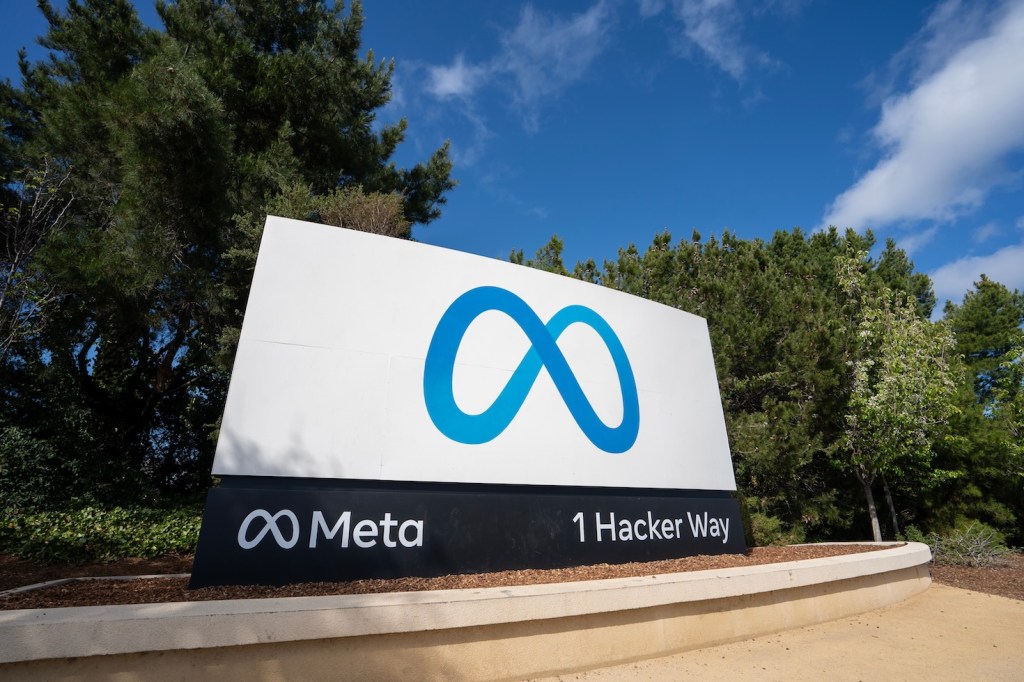
- Meta’s high-level ambition calls for the social media company to achieve net-zero emissions across its entire value chain in 2030.
- The company is far behind on its emissions reduction pledges, according to 2025 data.
- Two obstacles: Clean energy deployments have stalled because of long interconnection and permitting queues, and supply chains for low-carbon infrastructure materials have been slow to develop.
Like its peers in the great data center buildout, Meta’s greenhouse gas emissions increased by double digits in 2025. Unlike Amazon, Google and Microsoft — which have resolved to stick by their pledges — Meta acknowledges that it’s time to consider whether timelines for its long-term and short-term reduction targets should be updated.
The “operating environment” in which Meta set its goals at the beginning of the decade anticipated steady growth, falling clean energy costs and other systemic changes that would support its commitments, two senior executives said in a message introducing the 2026 Meta Sustainability Report, published Nov. 19.
The pace of artificial intelligence (AI) expansion has outstripped those expectations. At the same time, clean energy deployments have stalled because of long interconnection and permitting queues, and supply chains for low-carbon infrastructure materials have been slow to develop, said Rachel Peterson, vice president of data centers, and Blair Swedeen, global head of net zero and sustainability.
Meta’s climate ambition must reflect these practical realities, they said: “We are re-evaluating our timelines, sequencing and interim milestones — including the 2030 timeframe for our net-zero emissions goal and our near-term intensity targets — so our approach reflects current operating realities while keeping progress transparent year over year.”
Peterson and Swedeen did not provide a timeline for disclosing decisions related to that evaluation, promising only to “share where this work lands.”
Current trajectory
Meta’s high-level ambition calls for the social media company to achieve net-zero emissions across its entire value chain in 2030. It has adopted supporting goals, including a pledge not to exceed 2021 levels for its indirect emissions (Scope 3) by 2030 and a validated, science-based target calling for reductions of 42 percent by 2030 for operations (Scope 1) and purchased electricity (Scope 2).
Meta is far behind on all of those pledges, according to its 2025 data.
The company’s net carbon footprint — which includes the impact of contractual instruments — jumped 45 percent last year, reaching 11.9 million metric tons of carbon dioxide equivalent (mtCO2e). Meta’s location-based emissions inventory was almost twice that amount: 21.7 million mtCO2e.
Much of the year-over-year increase was driven by purchased goods and services (up 36 percent) and capital goods (up 58 percent), which directly relate to Meta’s furious pace of data center expansion. Considered cumulatively, Meta’s Scope 3 emissions inventory is more than 105 percent above 2021 levels, casting doubt on whether its original goal is achievable.
Meta has steadily decreased its operational emissions since 2021, according to the report, but the footprint from its electricity use grew almost 38 percent between 2024 and 2025. That mirrors a 35 percent increase in power consumption, driven by new data centers. Meta has matched 100 percent of its electricity usage with clean and renewable energy since 2020.
Where the industry stands
Meta’s disclosures echo those of three other giant cloud computing and AI companies: Amazon, Google and Microsoft.
All posted double-digit emissions increases in their latest sustainability disclosures: Microsoft’s footprint jumped 25 percent; Amazon posted a 16 percent increase (including its e-commerce network); and Google disclosed an 18 percent year-over-year bump.
Sustainability leaders at Amazon, Google and Microsoft have all pointed to accelerating AI data center expansion as the primary factor for those increases. They’ve likewise acknowledged that current market conditions dictate the need for a different short-term approach. Amazon, for example, has set a new carbon-intensity target for 2030 related to its electricity use.
Meta is the first of the foursome to publicly state it will reconsider its timelines.

Subscribe to Trellis Briefing