What to know about the EU’s updated anti-greenwashing law
Empowering Consumers for the Green Transition Directive, which took effect on Sept. 27, is stricter and more prescriptive than its predecessor. Read More
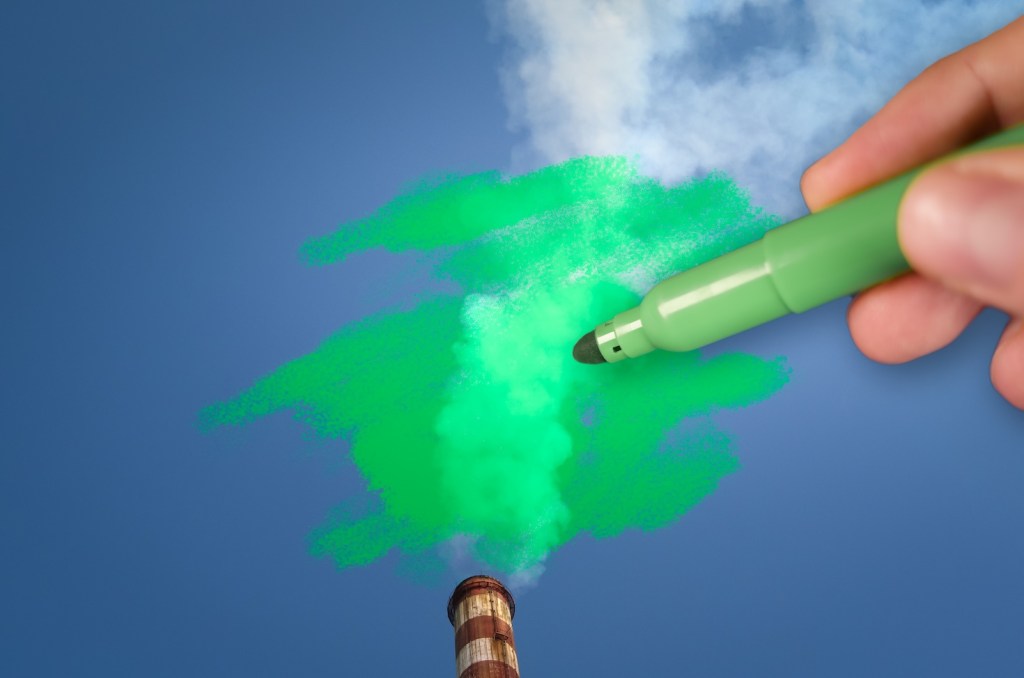
- Companies must get more disciplined about claims and offer independent substantiation for messages they decide to include in advertising or other consumer-facing communications.
- EmpCo primarily covers communications from commercial enterprises to consumers.
- Violators could be fined 4 percent of related product revenue in the country where the greenwashing took place.
The job of communicating environmental progress in the European Union just got tougher.
The Empowering Consumers for the Green Transition Directive (a.k.a. EmpCo), which took effect on Sept. 27, is stricter and more prescriptive than its predecessor. It applies not just to consumer products, but to how an organization describes energy, tourism, banking and other services.
“The easy part is being factual: you do not understand anything that is untrue,” said one participant in a roundtable organized by nonprofit Anti-Greenwash Charter. “The hard part is making the fact land: saying something that interests people and that they understand.”
What the new law does
EmpCo primarily covers communications from commercial enterprises to consumers, although some European member states including Belgium and Germany also scrutinize business-to-business communications.
Broadly speaking, the new regulation:
- Bans generic environmental claims such as “green” or “eco-friendly.” This includes existing brand names or trademarks, despite existing intellectual property protections.
- Prohibits companies from calling a product “neutral” because the company bought carbon offsets to “reduce” its emissions. Terms that will receive closer scrutiny include “climate neutral” and “carbon positive.”
- Requires companies to produce a detailed, independently verified plan to back up future commitments or pledges.
- Prohibits companies from marketing something as unique, if regulation mandates it for the entire category. For example, a company can’t claim credit for eliminating a chemical if the entire sector was required to do so.
- Controls what can be displayed on labels or packages by requiring messages to be based on recognized certification schemes.
Companies could be fined 4 percent of the related product revenue in the country where the violation took place. Companies could also be required to remove the product from retailers, redesign websites where a campaign is featured and run advertisements admitting to greenwashing.
Burden of proof
The net effect? Companies must get more disciplined about claims and offer independent substantiation for messages they decide to include in advertising or other consumer-facing communications.
“If you can prove it, you can say it,” said Alfred Beerli, CEO of textile certification company OEKO-TEX. “If you cannot prove it, you should not have been saying it in the first place.”
OEKO-TEX, which develops standards that show up as part of labels for clothing, linen and toys, started preparing for the EmpCo update two years ago, primarily by restructuring its organization to create a separate verification arm.
“What brands are looking for is solid ground to stand on,” Beerli said. “A claim backed by an independent certification scheme with a certificate number and a QR code a shopper can check for themselves is exactly that.”
One challenging aspect of compliance is how to shorten a “fully evidenced” claim for a headline or small packaging real estate. “The strongest claims are specific enough for people to understand, useful enough for people to care about and supported by evidence that can withstand scrutiny,” said Charlie Martin, founder and CEO of the Anti-Greenwash Charter.

Subscribe to Trellis Briefing