How raising freezer temperatures by 3 degrees could avoid millions of tons of emissions
Maersk and IKEA are among the members of a growing coalition of companies building industry confidence for the shift. Read More
- Academic research shows that raising freezer temperatures from -18 to -15 degrees Celsius would not impact food safety.
- Producers, logistics companies and retailers are collaborating on real-world tests of the idea.
- Freezers are often set below the global standard of -18 C, providing an immediate opportunity for cost and emissions savings.
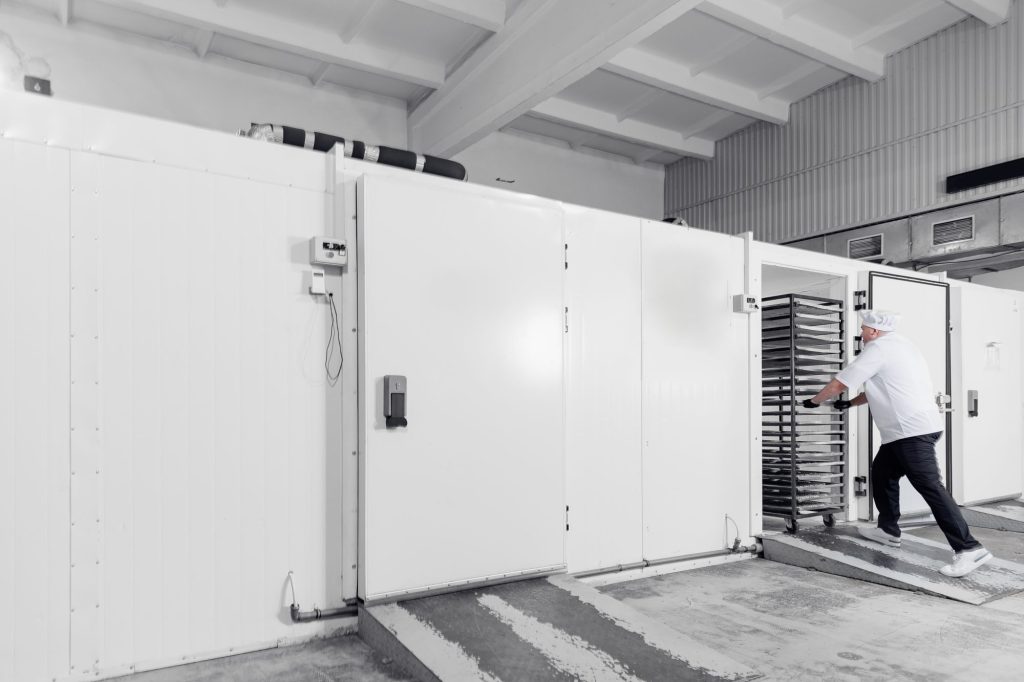
Momentum is building behind a global effort to avoid millions of tons of emissions annually by slightly raising the temperature at which frozen food is distributed.
Under standard industry practice, shipments of frozen food are moved at -18 degrees Celsius (0 degrees Fahrenheit) or lower. Shifting to -15 C would have no impact on food safety — because microbial activity ceases below -12 C — and could avoid 18 million tons of carbon dioxide equivalent emissions annually, said Sandra Roling, managing director of the Move to -15 C Coalition.
The -18 C standard was “established almost at the time when frozen food was invented, around 100 years ago, and it’s sort of just been embedded in industry practice” since, noted Roling. “Nobody has really spent a lot of time questioning that.”
The shift would also bring financial benefits: Every 1 C increase in freezer temperatures cuts energy use by between 1.5 percent and 3.5 percent, said Roling.
Cross-industry collaboration
The coalition was established in 2023 and aims to implement the findings of an academic report, published the same year, that found that a 3 C hike in storage temperatures would not compromise food safety. Three new members, including Wayne-Sanderson Farms, one of the largest poultry producers in the U.S., last month joined Maersk, DP World, IKEA and others as coalition members.
Implementing a -15 C standard requires a lot more than adjusting dials on freezers. Producers, logistics companies and retailers all expect freezers to be set at -18 C. The temperature is written into contracts and, in some regions, enshrined in regulation.
The coalition is now running a series of pilot projects designed to build confidence around the shift. Earlier this year, U.K.-based coalition members used sensors to monitor the temperature of prepared meals being transported to a staff restaurant at -15 C. Monitoring the product rather than the freezer setting is critical because temperatures fluctuate during transport when freezer doors are opened, said Roling. She described the results as “really positive,” noting that food safety and quality were not impacted. Future tests include transport of chicken from Asia into the U.K.
Companies interested in exploring the benefits of -15 C should begin by checking the temperature at which they and their supply-chain partners move frozen food, added Roling. “One of the things we’ve learned is that quite often the industry practices are even lower than -18 C,” said Roling. That means companies can potentially make immediate emissions and costs savings without hitting contractual or regulatory constraints.

Subscribe to Trellis Briefing