How regenerative agriculture strengthens Purina’s business resilience

Purina’s vice president of sustainability explores how regenerative agriculture supports long-term business resilience for the company and its partners. Read More
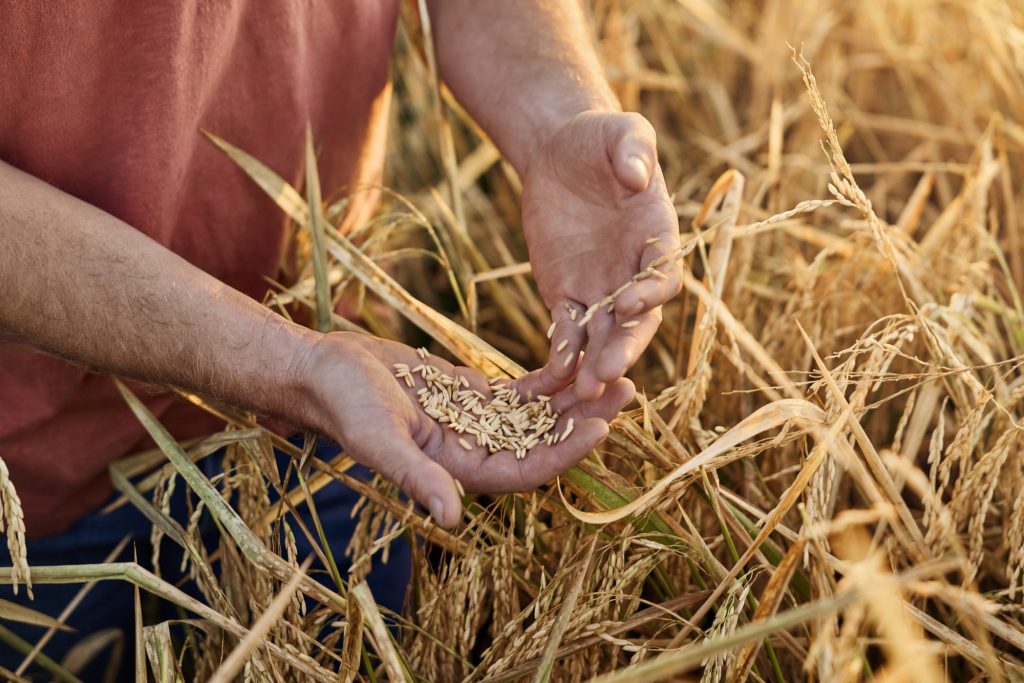
Business approaches to sustainability have evolved significantly over the course of my 36 years in this field. What were once isolated conversations among technical professionals and policymakers are now part of daily life for many of us at work and at home.
New regulations establish accountability and formal standards, but sustainability is more than a compliance exercise. It can help unlock strategic business opportunities. At Nestlé Purina North America, we see sustainability as a way to drive resilience, innovation and growth.
Pets are our passion at Purina. We are committed to helping pets live longer, happier and healthier lives. This includes caring for a better planet for current and future generations of people and pets.
The ingredients that nourish them start on farms, making environmental health essential to a strong food system. Investing in farming practices that improve soil health, steward water and care for the land is integral to sourcing high-quality ingredients.
That’s why we are supporting U.S. corn, rice, soy and wheat farmers as they transition to regenerative agriculture practices. There’s still much to learn, but we believe that regenerative agriculture has potential to create shared value in several interconnected ways.
The strategic case for regenerative agriculture
The Pet Sustainability Coalition found that 84 percent of pet owners believe companies should be doing more to address climate change.
Our work with regenerative agriculture reflects our ongoing efforts to support solutions that center farmer perspectives and take agronomic and economic realities into account.
Regenerative agriculture includes holistic farming practices that improve soil health while supporting Purina’s broader climate goals. Through our support of row crop farmers and implementation partners in key U.S. sourcing regions, for example, Purina promotes practices such as reduced and no-till systems, crop rotation and alternate wetting and drying. These techniques can build healthier soils with higher organic matter, helping absorb and store carbon dioxide. Regenerative practices also support biodiversity, water quality and availability, and farmer livelihoods. This holistic approach ensures the long-term resilience of the agricultural systems that supply our business and many others.
Better environmental outcomes are directly connected to Purina’s ability to continue producing nutritious pet food. As droughts, floods and other climate-related weather events become more frequent and severe, they threaten to increase production costs and reduce the availability of critical agricultural goods in important regions.
The Intergovernmental Panel on Climate Change has reported that climate change has had both adverse and positive impacts on agriculture and crop production in North America.
At the same time, the Environmental Defense Fund has projected that climate change could decrease corn, soy and wheat yields in parts of Iowa, Minnesota and Kansas as soon as 2030.
This range of potential impacts underscores the importance of preparing for changing conditions across key production areas. Regenerative agriculture can help mitigate these long-term supply chain risks by strengthening the farming systems that key ingredients depend on.
Scaling adoption through farmer-led solutions
For regenerative agriculture to scale, it must create clear value for farmers. Practices that improve soil structure can support healthier roots, improve water efficiency and help crops better withstand heat, drought and erosion.
For instance, in one project that Purina supported with a farmer-owned cooperative, rice farmers were rewarded for adopting sustainable practices, such as alternate wetting and drying, which improved irrigation efficiency compared with conventional methods.
Because every farm is different, successful adoption depends on shaping practical, localized and economically viable solutions with farmers and agricultural partners.
We’re currently surveying U.S. row crop farmers to understand their relationship to regenerative agriculture and barriers holding them back from participation. Through this effort, we also seek to learn how industry stakeholders can best support investments in sustainable practices, and we continue to invest in projects to improve environmental outcomes and adoption by farmers. We believe the results will help Purina and the broader industry better understand the role we can play in making adoption more accessible.
Building a stronger agricultural system requires collaboration. When farmers, businesses and other partners share practical knowledge and align their efforts, the industry can learn from what works in different contexts and create change at a greater scale.
Working together, we can help create the conditions for thriving farms, healthier ecosystems and a more resilient food supply for people and pets.
To explore Purina’s commitment to sustainability and regenerative agriculture, visit Purina.com.

Subscribe to Trellis Briefing

Gopi Sandhu
As vice president of sustainability at Nestlé Purina North America, Gopi partners with top management and functional leaders across the company's value chain to develop and drive its environmental sustainability priorities. Gopi has promoted sustainable manufacturing practices throughout Purina’s North American operations since 1998, enabling Purina’s factories to grow responsibly, follow environmental laws and achieve sustainability targets for manufacturing. Gopi began his career in environmental consulting. His technical background includes water effluent management, energy conservation, renewables and carbon and water benefits accounting. He is also a member of the Water Environment Federation.
Featured Reports















The Premier Annual Event for Sustainable Business Leaders