How Western Digital used AI to turbocharge collection of supplier emissions data
An email agent helped the hard drive manufacturer boost reply rates and slash response times. Read More
- In a pilot, Western Digital used an AI agent to gather data covering 90% of spend.
- The agent managed an email workflow between the company and suppliers of components for its devices.
- The technology is allowing sustainability team members to focus on quality review and other tasks, the company said.
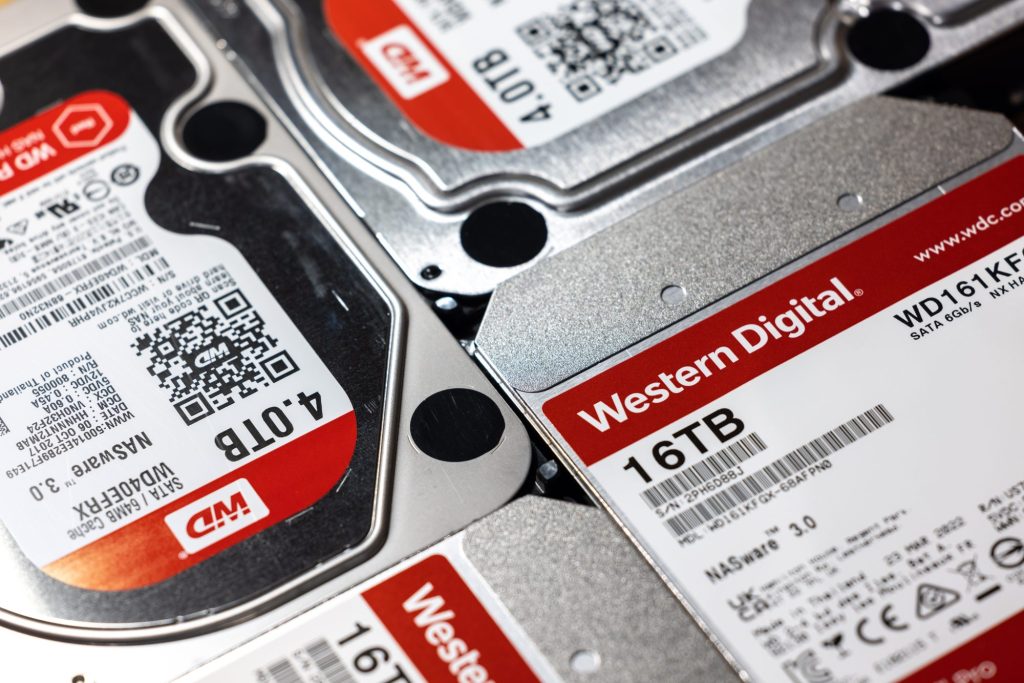
Data storage company Western Digital used an AI-powered email workflow to dramatically increase the quantity of emissions data it’s able to collect from suppliers.
Like many buyers, Western Digital found that collecting data via email was time consuming for both its sustainability team and suppliers. To improve response rates, the commpany worked with Sluicebox, a startup that collects carbon data on the electronics industry, to build an AI that streamlines the email process.
In a pilot rolled out late last year, the company was able to expand primary carbon data for its biggest suppliers from 30 to 90 percent. The time required to collect the data fell from between five and six months to four weeks, Mrinalini Iyer, Western Digital’s program manager for sustainability operations, said at the AI x Sustainability Showcase at last month’s Trellis Impact 26 event in San Francisco.
Western Digital, which sells storage drives for personal and data center use, included suppliers for several components in the pilot, including the device housing, baseplate and motor. Rather than asking these partners to navigate a form or log into a platform, Sluicebox’s AI agent makes the data request, handles questions from suppliers and synthesizes the raw data into a product carbon footprint that is aligned with International Organization for Standardization rules.
Human in the loop
The idea of asking suppliers to interact with an AI agent rather than a human partner will likely raise concerns in some sustainability teams, as would the risk that corporate leaders will now ask whether teams can be smaller if AI takes on some of their work.
Iyer cast the pilot as a way of redistributing work rather than replacing humans. “Keeping people at the center is an important part of Western Digital’s AI approach,” she said. Team members continue to review outputs and otherwise maintain trust, Iyer noted. “That balance is especially important in sustainability data because the goal is not only speed — it is usable, traceable and defensible data.”
“This changes the role of sustainability teams,” she added. “Instead of spending most of the effort on manual chasing and data wrangling, teams can spend more time on quality review, supplier engagement, methodology, validation and decision-making.”
Next steps
To extend the system, Western Digital is estimating gaps for non-responders using available inputs, such as bills of materials; cross-checking product carbon footprints against supplier disclosures and industry baselines; and flagging outliers so the team can request additional calculation details where assumptions need review.
“We expect this project to evolve from a data collection workflow into a broader system of engagement, validation and exception management,” said Iyer.

Subscribe to Trellis Briefing