How Coach and Amazon put an internal value on reuse and recycling
Sustainability strategists at both companies emphasize cost savings and new revenue opportunities. Read More
- One message that resonates loudly with Coach employees is the opportunity to decouple revenue growth from environmental impacts.
- At Amazon, waste is a “defect” that can be addressed through repair, reusable materials and by reducing returns.
- Resale is a small but growing business for both Coach and Amazon.
Sustainability strategists for Amazon and Coach use different internal messaging to sell the potential of reuse, recycling and other circular economy principles to business leaders.
At Coach, roughly 80 percent of the sustainability team’s focus is on promoting circular design principles, such as constructing accessories so they can be taken apart easily for reuse or turning scrap leather and other materials into revenue-generating products that wouldn’t otherwise exist.
The message that resonates most loudly with Coach employees is that circular economy principles offer parent company Tapestry, which also owns Kate Spade, an opportunity to decouple revenue growth from environmental impacts.
“That’s how I explain it within the organization,” said Kim Matsoukas, director of sustainability at Coach, during a session at Trellis Impact 26.
The Coach (Re)Loved business, which sells repaired, restored, “upcrafted” and vintage styles, has provided a small, new source of revenue by appealing to Gen Z shoppers who prefer thrifting to buying new. The business has stayed steady in the face of uncertain U.S. import tariffs: Coach sold more than 13,800 units through the program in 2025.
“We don’t have tariffs in resale so there’s some resilience there, and there is starting to be some recognition around that,” Matsoukas said.
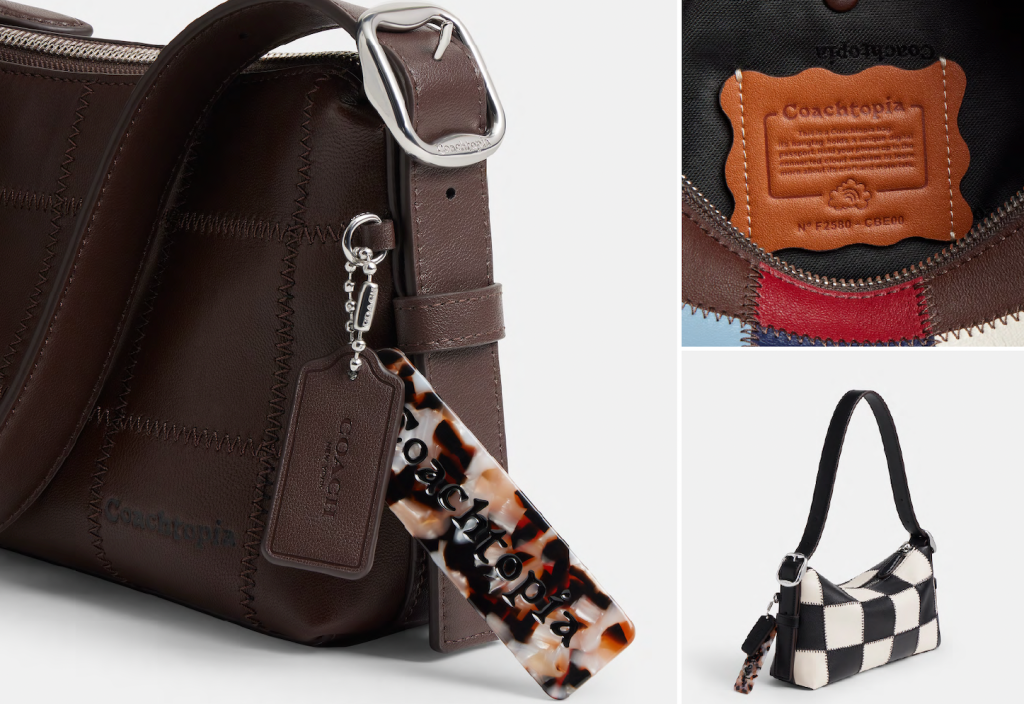
Coachtopia, the company’s circular research lab, in fiscal 2025 launched the Alter/Ego Collection, which includes products made from production scraps from two of Coach’s most iconic bags. Alter/Ego items have a 59 percent lower carbon footprint than similar products.
While Coach doesn’t report on revenue generated through Coachtopia or (Re)Loved, it tracks this metric internally along with the percentage of recycled or scrap material used in its mainstream brands, she said.
Another new metric maps the effort it takes Coach employees to take apart a bag so that the materials can be reused (versus the value that can be recovered after that process); this will influence future design.
“You want it to be greater than zero, because if it costs more to disassemble something than the output if valued at, you will never do it right,” Matsoukas said. “It will just be trash.”
Waste = defect at Amazon
Amazon’s approach to reuse and recovery is driven by its view that waste is an operational defect, said Priscilla Okyere, global head of circular solutions and waste reduction at Amazon, during the Trellis Impact session.
“We want to eliminate defects, we want to reduce them, so we position waste as a defect and track different types of defects that they feel controllable,” she said.
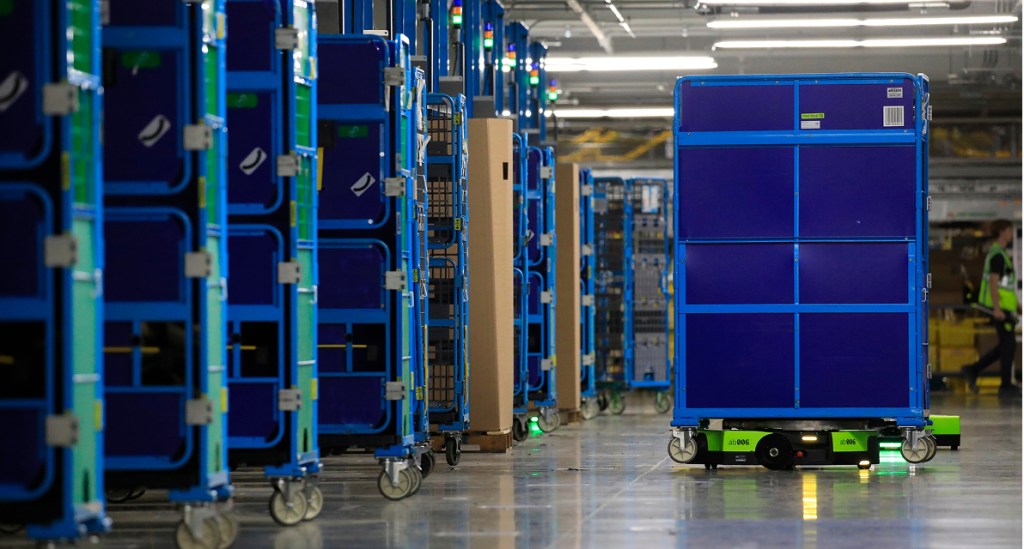
Different KPIs are used across the company. One example: Amazon uses AI in its warehouses to detect damage in products before they are sent to customers, which reduces returns. In 2025, that effort cut the percentage of damaged items by 21 percent.
Amazon routinely conducts waste stream audits to identify ways to eliminate single-use materials, Okyere said.
One success story is a program suggested by the logistics team to replace disposable wooden pallets used to transport items internally with ones made from reusable plastic. The original material was more difficult to repair, and the reusable pallet design has reduced the need for protective, single-use plastic shrinkwrap.
The initiative helped Amazon avoid sourcing 85 million wood pallets during 2024 and another 35 million in 2025, as the system was converted to the reusable ones. It will also save money in the long term, which was the benefit Amazon’s circular solutions team highlighted.
“It’s good for circularity, but because there’s also a cost benefit, we could start there,” Okyere said.

Subscribe to Trellis Briefing