Sysco dinged on seafood sustainability
Some low rankings were due to limited disclosure of data on ecosystem impacts and supply-chain deforestation. Read More
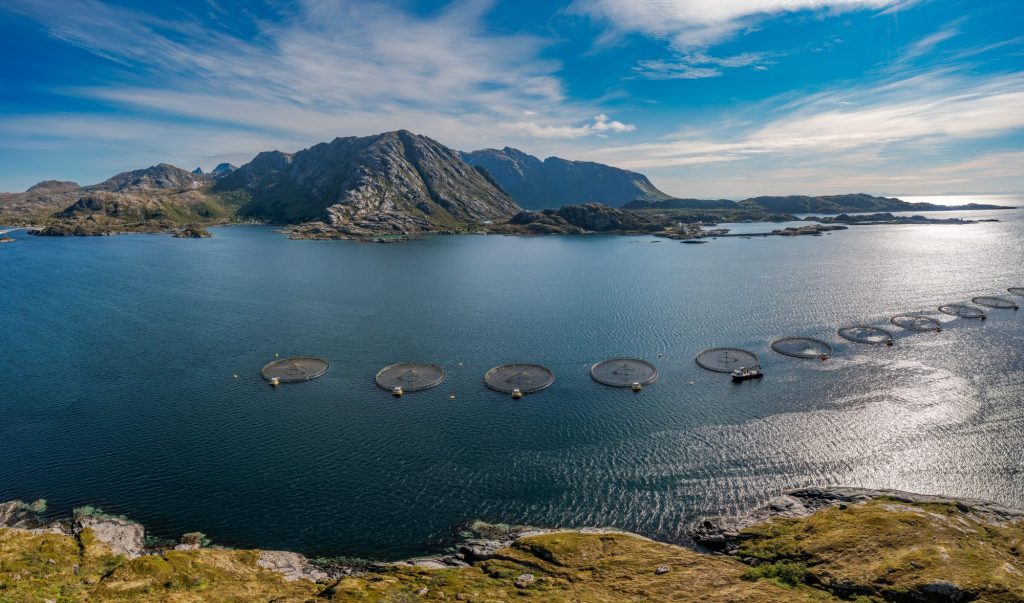
- The Coller FAIRR Seafood Index ranks the world’s 20 largest seafood companies.
- High rankers were praised for diversifying into low-impact forms of aquaculture and setting science-based targets.
- Investors have used data from other FAIRR benchmarking exercises in conversations with companies about ESG performance.
A benchmarking exercise by an investor network has revealed significant variation in the environmental performance of the world’s largest listed seafood companies.
Global wholesale company Sysco ranked at the bottom on nature and climate, scoring just six out of 100, while several less prominent businesses were singled out for praise.
Researchers at the FAIRR Initiative, which counts investors with $95 trillion in assets as members, assessed 20 companies on 16 topics, including greenhouse gas GHG emissions, ecosystem impact and pollution. Social and health impacts were also examined.
The project builds on the Coller FAIRR Protein Producer Index, a benchmarking exercise focused on animal protein providers that was launched in 2018. Investors draw on the scores in conversations with companies about ESG performance.
How the companies compare
Notable performers on environmental topics in the Coller FAIRR Seafood Index include:
- Bakkafrost, based in the Faroe Islands, which earned 75/100 on deforestation and conversion, higher than any other company. The score was a result of the company’s commitment to sourcing soy and other plant-based raw materials from deforestation- and conversion-free supply chains.
- Thai aquaculture company Charoen Pokphand Foods, which scored 63/100 on GHG emissions. The organization has created a transition plan detailing how it aims to reach net-zero emissions by 2030, and has had its near-term and net-zero targets validated by the Science Based Targets initiative.
- Norway-based Lerøy ranked first for unfed aquaculture, a score that captures company efforts to farm species that do not require external feed inputs, such as mussels. These are among the most ecologically efficient forms of seafood production, the researchers note. Lerøy’s joint venture, Ocean Harvest, is producing sugar kelp and other species near its sea farms.
At the other end of the scale was Sysco, which had revenues of $81 billion in 2025. The U.S.-based foodservice firm did not interact with FAIRR during the benchmarking cycle and its low scores are in part due to limited disclosure of information on deforestation, ecosystem impacts and water scarcity. Other companies dinged for poor disclosure include Premium Brands Holdings, a Canadian food manufacturer and distributor.
Ninety-three percent of wild-caught seafood that Sysco supplies to hospitals, schools and other “broadline” customers in US and Canada meets the company’s goals, a Sysco spokesperson said. “We will continue to prioritize these goals and others where we have found the greatest benefits to the environment as we collaborate further with stakeholders and partners to work collectively toward these achievements.”
Why the scores matter
“The key business rationale is financial resilience,” said Laure Boissat, manager for oceans research and engagement at FAIRR.
Environmental risks are increasingly translating into business risks, she noted, and the seafood index highlights how failures to manage these issues can expose companies to supply chain disruption, rising costs, regulatory penalties and loss of market access.
The flipside, added Boissat, is that actions to address these risks can also unlock commercial opportunities. Investment in protein diversification and unfed aquaculture, for example, can open up new revenue streams and simultaneously reduce reliance on resource-intensive production systems.
Regulatory changes are another reason to care, she said: “Companies are facing increasing scrutiny around climate disclosures, deforestation, traceability and human rights due diligence. Businesses that improve environmental risk management today are likely to be better positioned for future compliance requirements and investor expectations.”

Subscribe to Trellis Briefing