Danone and Starbucks shine in rankings of methane-reduction progress
But there's a general lack of significant action in coffee and dairy companies, according to the Changing Markets Foundation. Read More
- Corporate progress on the potent greenhouse gas lags far behind that on carbon dioxide.
- Only three of the 23 companies surveyed have set near-terms targets for reducing emissions.
- Companies that fail to act face growing reputational and greenwashing risks.
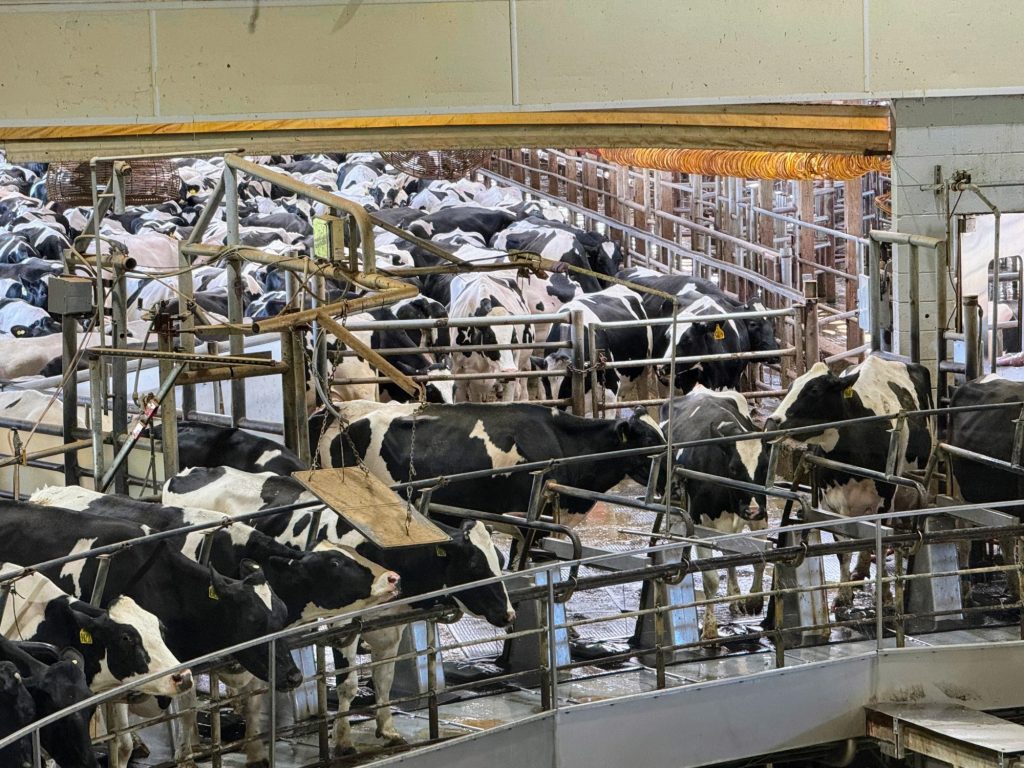
The dearth of corporate action on methane has been highlighted by a survey of 23 leading coffee and dairy companies.
The report finds that while nine out of 10 companies recognize the link between livestock and climate change, just three of those surveyed — Danone, FrieslandCampina and General Mills — have set a target to reduce emissions of the gas by 2030.
The findings come amid a period of heightened interest in methane and other superpollutants. The gases are collectively responsible for around one-half of global warming to date and are heating the planet more rapidly than carbon dioxide.
The nonprofit Changing Market Foundation, which launched its methane tracker last year, assessed the dairy and coffee companies on methane reporting, target setting, action plans and progress toward reduction goals.
The leaders …
Highlights from the highest-scoring companies include:
- Danone is the only company in the group aligned with the Global Methane Pledge, an initiative backed by 150 countries that targets a 30 percent reduction in global levels of the gas by 2030. The French multinational also leads the pack in progress toward its target, having come close to hitting it five years ahead of schedule.
- General Mills and FrieslandCampina, a Dutch dairy cooperative, have set broader targets for dairy emissions that do not include a specific one for methane.
- Coffee chains are beginning to take action on methane, but progress is uneven. Starbucks stands out: The world’s largest coffee chain is the only one to disclose methane emissions and publish an action plan for reductions. Achieving cuts is proving challenging, however: Emissions from its dairy purchases haven’t budged since 2019.
… and the laggards
Farther down the rankings is a clutch of companies that the foundation said have not disclosed methane emissions, set targets or published action plans.
- One surprise is Unilever, which earned a reputation as a sustainability pioneer during the 2010s. The British consumer goods company has more recently made strong progress on eliminating deforestation from supply chains and pushed trade associations to speak up on climate. It’s also committed to cutting agriculture-related emissions by 30 percent, but does not break out reporting or goals for methane.
- In last place, with zero points across any of the metrics assessed by the foundation, is U.S. coffee and doughnut chain Dunkin.
- Retailers also perform poorly, the foundation determined in a separate analysis of 20 supermarkets in six countries: None had disclosed methane emissions or set reduction targets.
“Methane from agriculture, including from livestock production and feed, is addressed through our Sustainable Agriculture Principles,” a Unilever spokesperson said. “These principles set our standards and expectations with our suppliers, including guidance on methane capture and feed interventions targeting enteric methane.”
Risks and opportunities
Power generators, steel manufacturers and other heavy emitters are required by law to limit carbon dioxide emissions in a growing number of jurisdictions. But the same isn’t true for food companies and methane. That’s due to “agricultural exceptionalism,” said Nusa Urbancic, CEO at the Changing Markets Foundation. “Policymakers concede to influential farm lobbyists, providing exemptions and only focusing on incentives, rather than mandatory emissions regulations.”
That doesn’t change the science, of course. “Methane cuts are one of the fastest ways to slow near-term warming and are increasingly seen as a key test of credible climate action,” said Urbancic. “Companies acting can strengthen investor confidence and get ahead of growing regulatory and disclosure pressures.”
She cites the example of Norges Bank Investment Management, the Norwegian government’s pension fund, which is known for scrutinizing the climate bona fides of its portfolio companies. The bank includes agricultural methane in its climate policy and expects companies to commit to targets aligned with the Global Methane Pledge.
On the risk side, companies that fail to act face growing reputational and greenwashing risks, added Urbancic: “Delayed action increases the risk of more abrupt and costly transition pressures later, including from regulators and investors.”
Companies interested in tackling methane emissions can consider joining the Dairy Methane Action Alliance, an industry collaboration convened by the Environmental Defense Fund and Ceres, two climate non-profits. Alliance members commit to disclose methane emissions as a step toward creating an action plan for reducing them.
Updated on May 29, 2026, to include comment from Unilever.

Subscribe to Trellis Briefing